‘What should you do if you’re lost in the forest in Iceland? Stand up!’
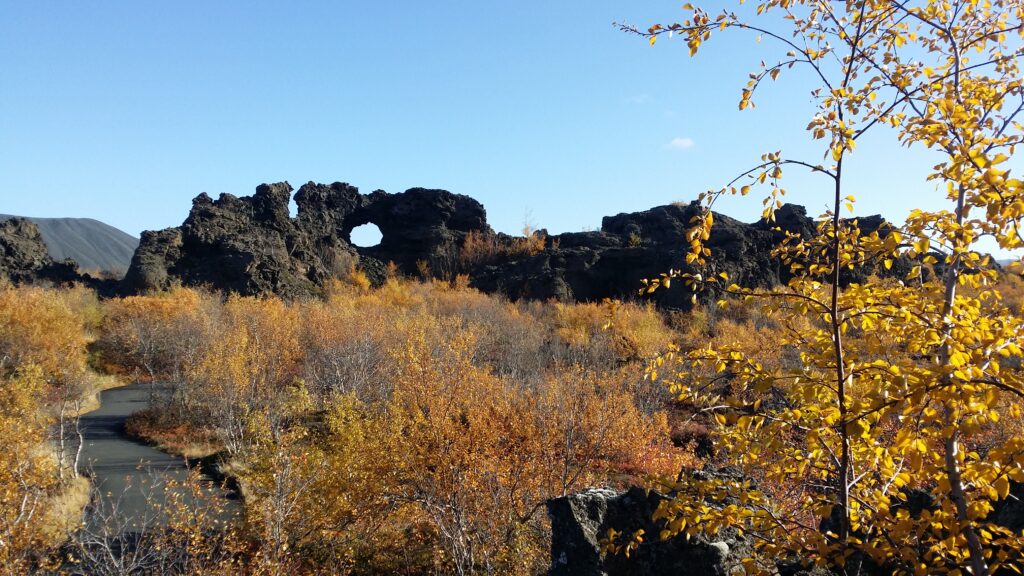
The natural forests in Iceland are scrub forests consisting of junipers, willows and low birch. However, when the Vikings arrived, much of the country was covered in proper forest.
Memories of former forests linger in place names all over Iceland, for example there are an incredible number of “holts” consisting only of grassy meadows (“holt” is a clearance in a wood). Constantly cutting the largest trees transformed towering birch forests into degenerate shrubs, and grazing pressure from sheep prevented regrowth.
The forest became particularly poor from the 16th century, when knitting began to gain momentum. This led to an explosive growth in the number of sheep, which grazed down all the new forest.
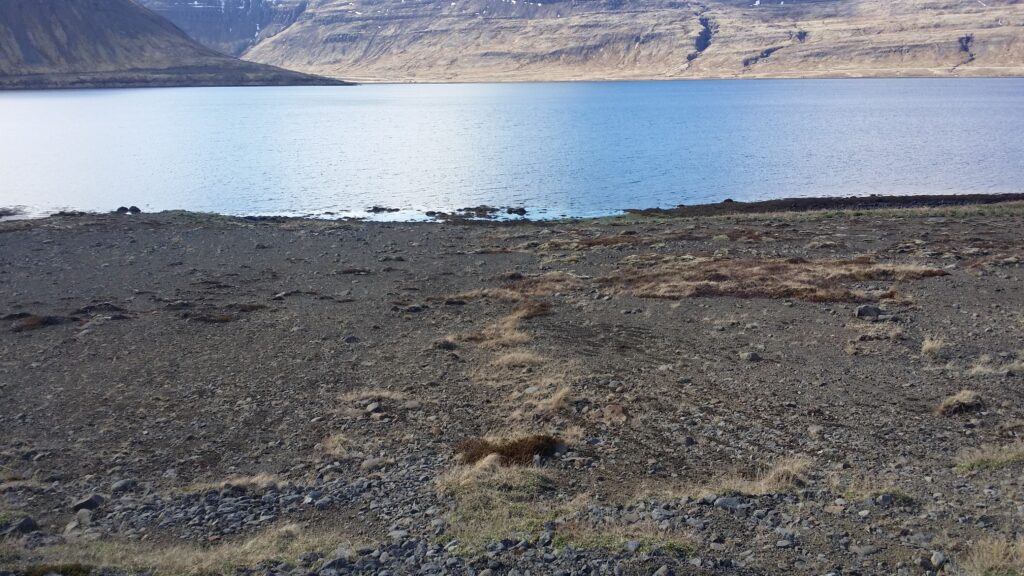
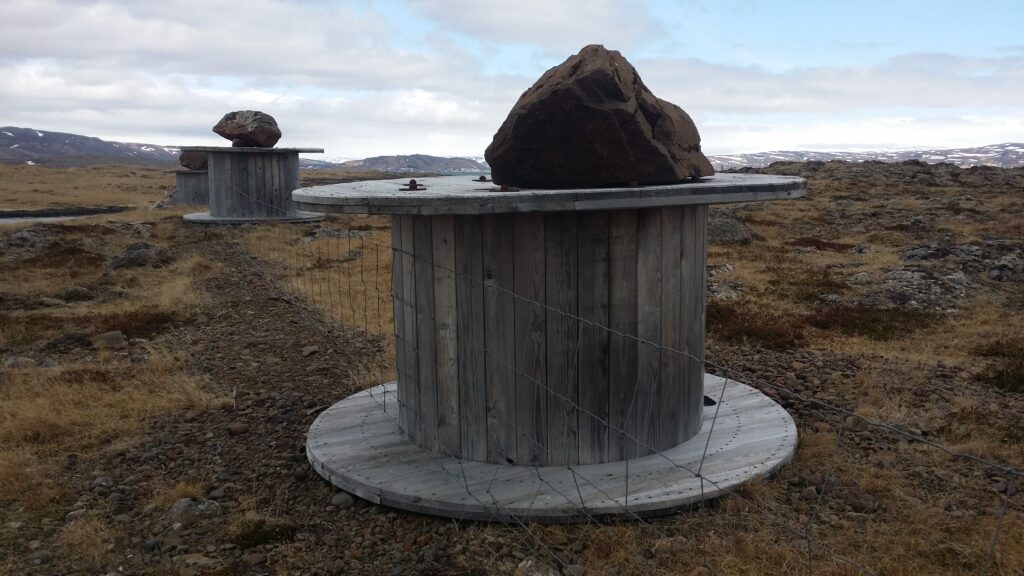
In the 20th century, large-scale reforestation began, planting 1-2 million trees per year. To allow the trees to grow in peace, they were fenced in.
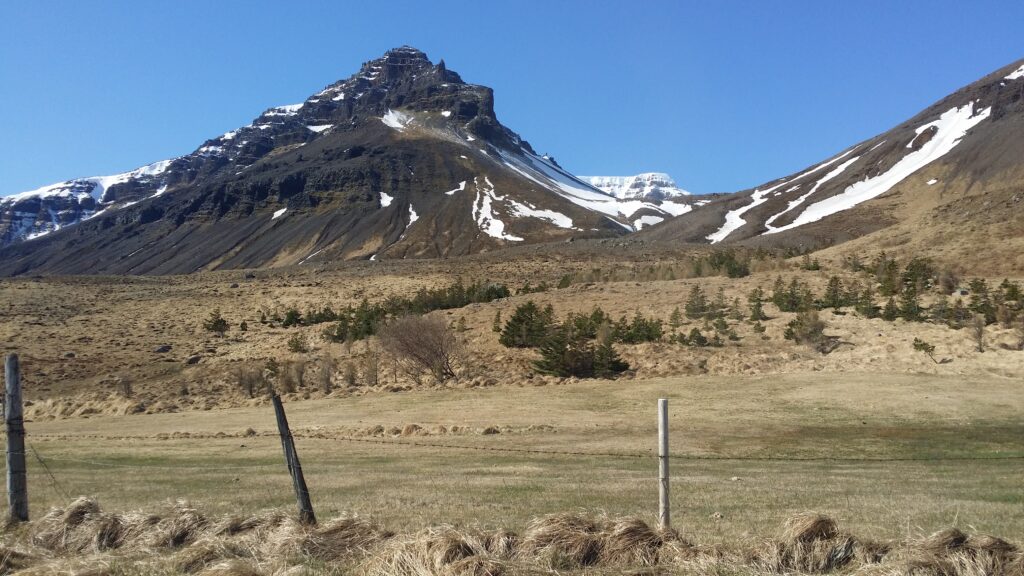
Sheep, on the other hand, graze pretty much everywhere, albeit in somewhat more limited numbers than before, around 365,000 (2025) compared to previously 1 million!
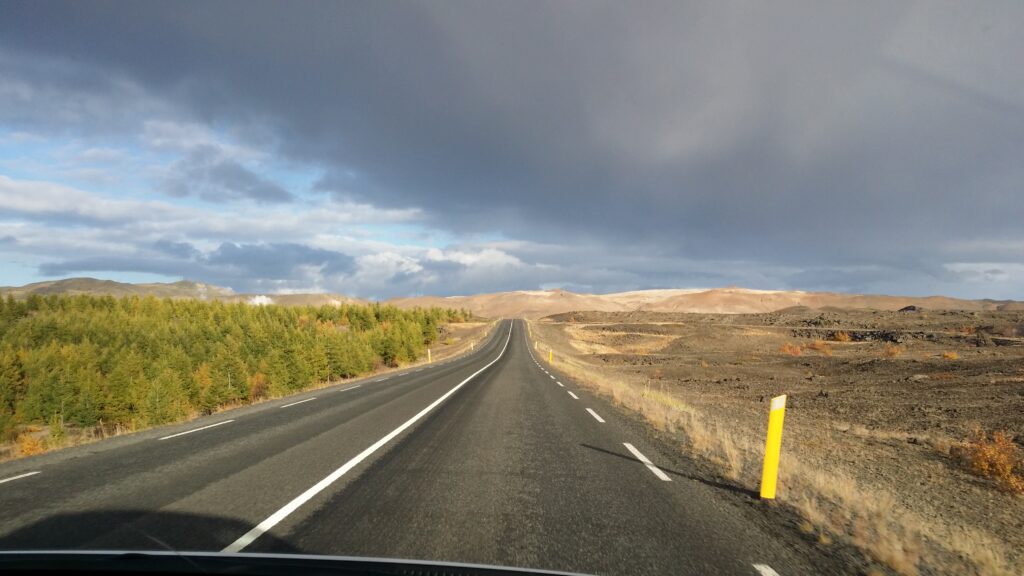
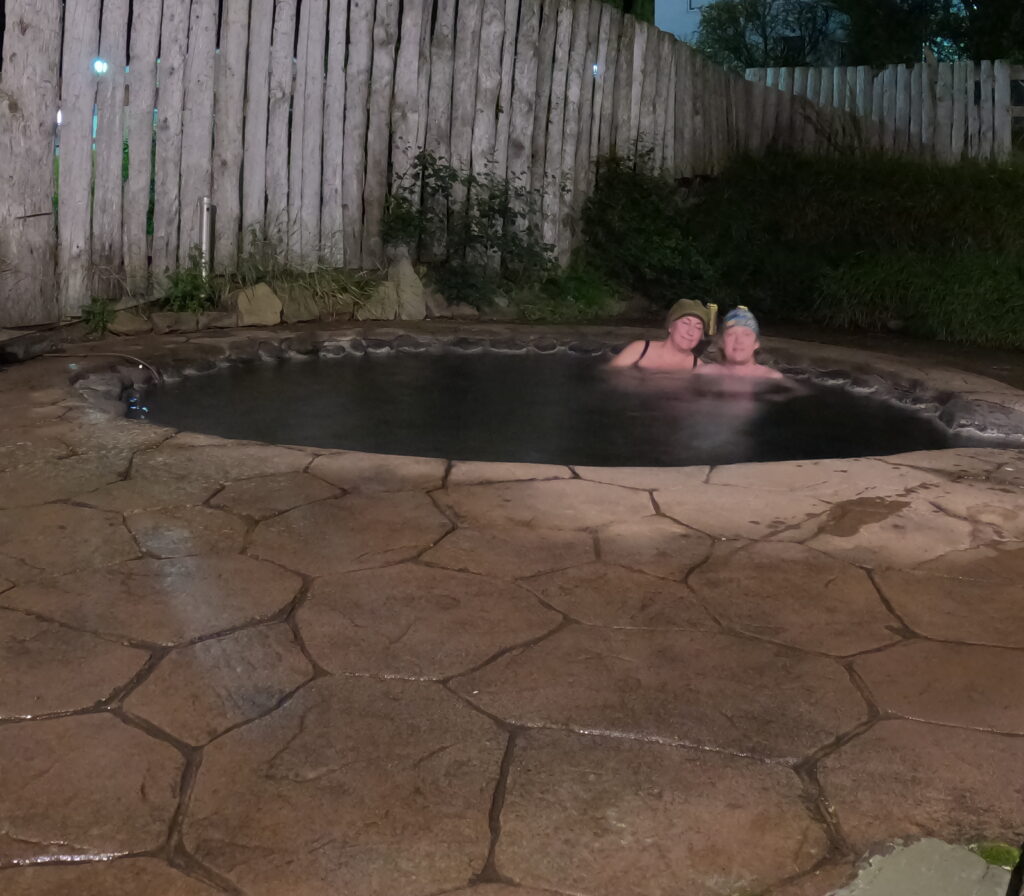
After the car trip around the (Skaga)fjord, a bath is a good idea, to reminisce about the birch forests of before.
The cozy little town of Sauđárkrókur has several good restaurants and also a splendid bakery. And bathing can be done the simplest way – in the backyard of Hótel Tindastóll!