To swim or Not to Swim to Tautra

After a near-corona experience and awaiting a negative corona test, we have avoided social life and populated swimming areas in recent days. But we need swimming practice! A possible solution that we have had on the block for a while was crossing over to Tautra. The advantage of this swim is that you can avoid a support boat … we thought. There are not many meters of open sea, most of the swimming goes along the pier. So it was Tautra this time.
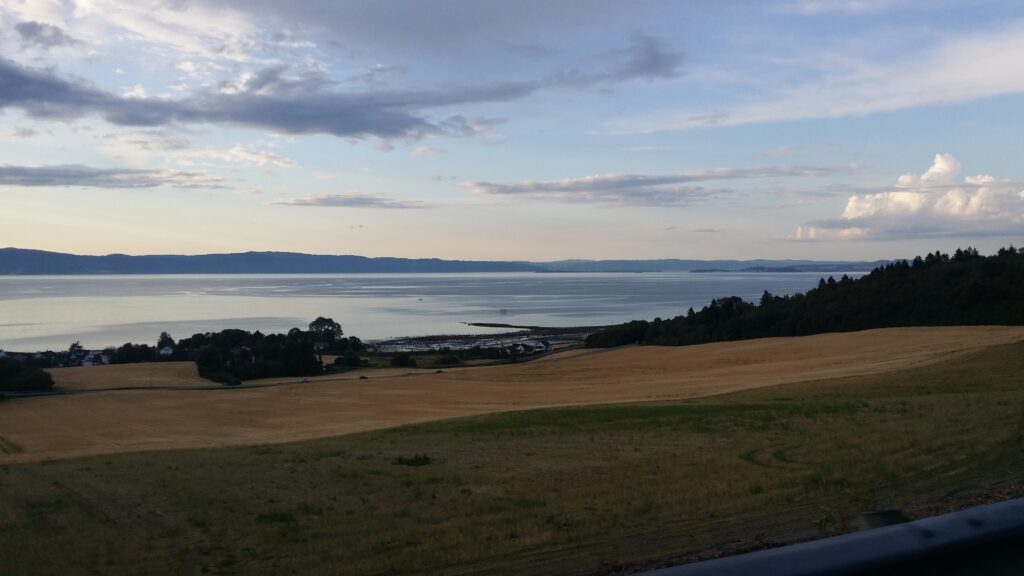
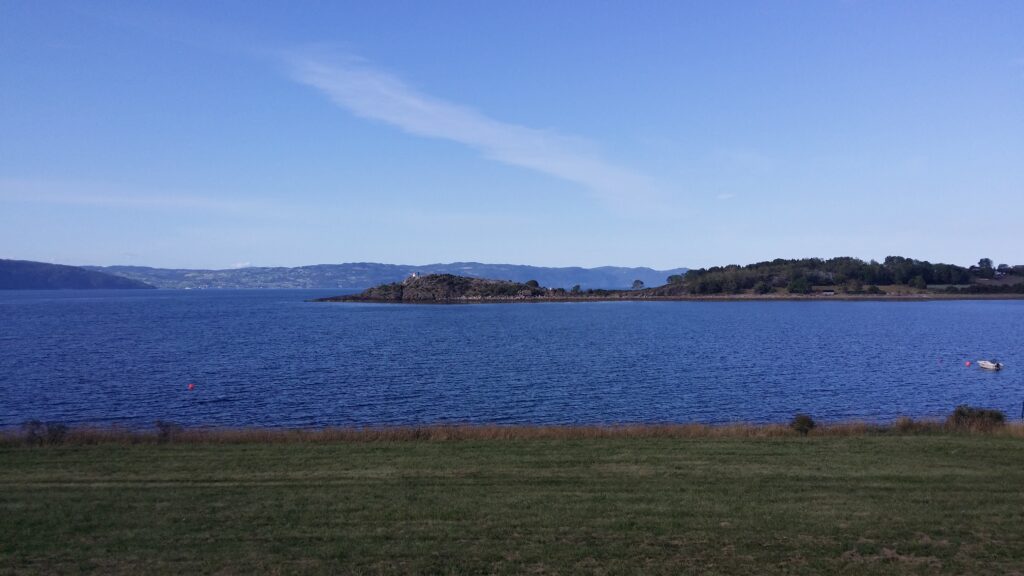
The cloth island Tautra to the right in the picture.

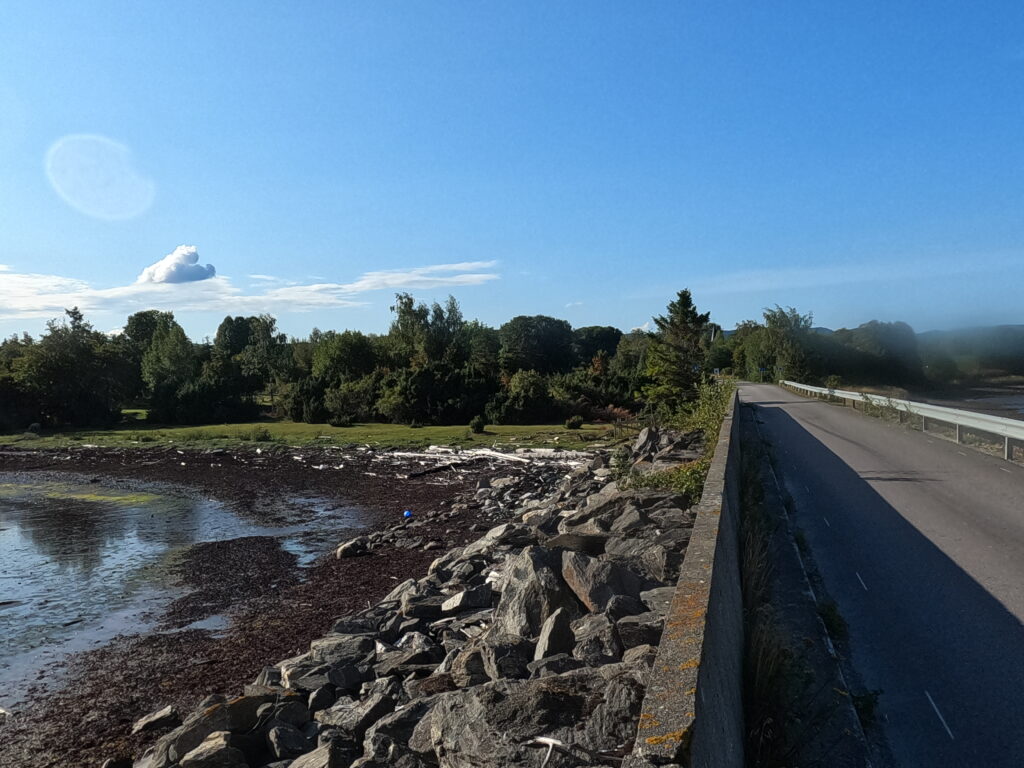
Tautra is an island in the Trondheimsfjord, in Frosta municipality, formerly called Tutterøen. The name may come from the Old Norse toturr = ‘cloth’ or ‘rag’, since the island is flat (only 26 m high) with many coves and headlands. The population was 50 in 2017. The island is connected to the mainland by a 2.4 km long breakwater. The breakwater was completed in 1979, but parts of it were replaced by a bridge in 2003, to improve water flow and prevent the immigration of predators (the bridge has a gate). This seems to work quite well.
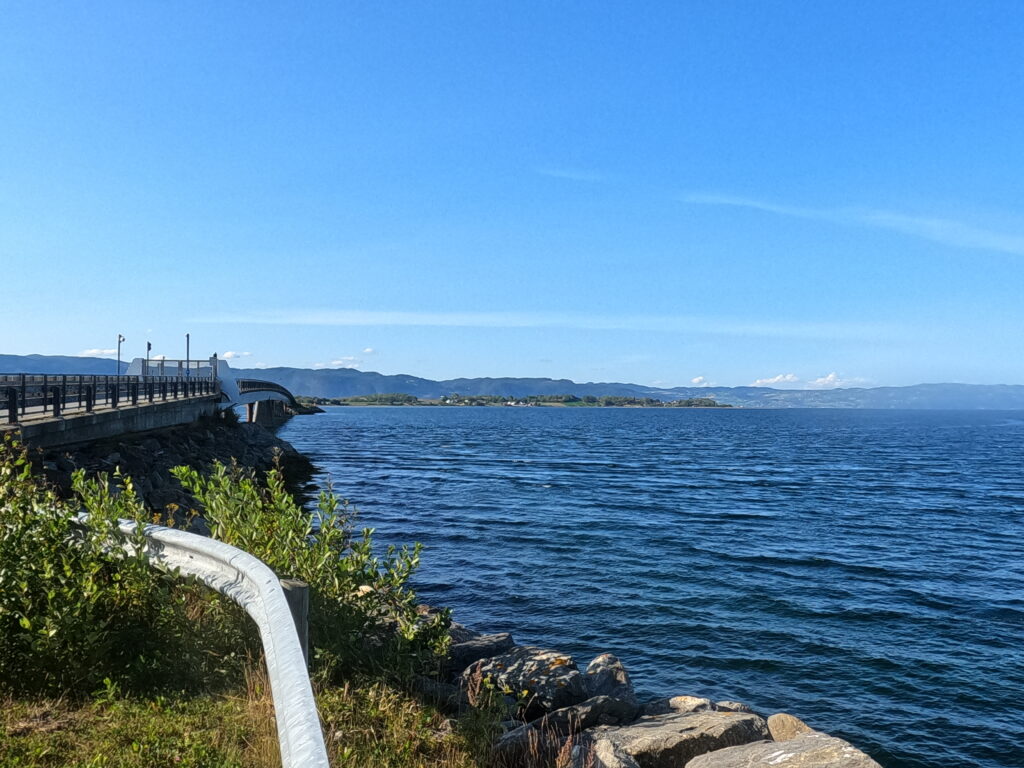
Pier with predator fence.

On the map, it looked like the strait was a bit shallow, especially on the Tautra side. The plan was therefore to swim at high tide. Just when it turns, the current will be minimal under the bridge. This was a good plan, we thought. However, the execution was not so good. The first problem was to tear ourselves away from the home office in time. Once we arrived at the pier, we realized that we should have had an idea about the logistics of clothes and car, since we were only going to swim one way. And what is the best place to park on the Tautra side? It ended up that Knut drove the car, clothes and towels over to Tautra, left the car there and rode his scooter back. In his wetsuit, it was a pretty humid and hot trip, but after this exercise, a swim would be a good idea!
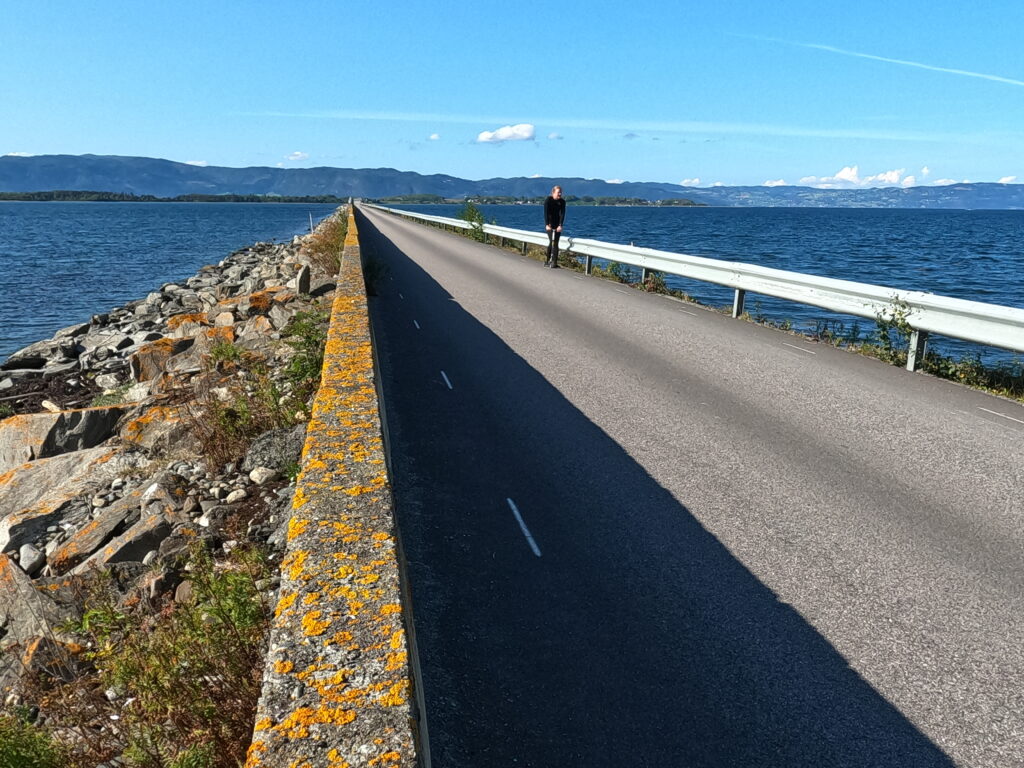
Knut on the move on his scooter.

When we were finally ready to start swimming, the turn of the tide had passed over an hour ago, so we chose to start on the inside of the pier, in case there was current under the bridge.
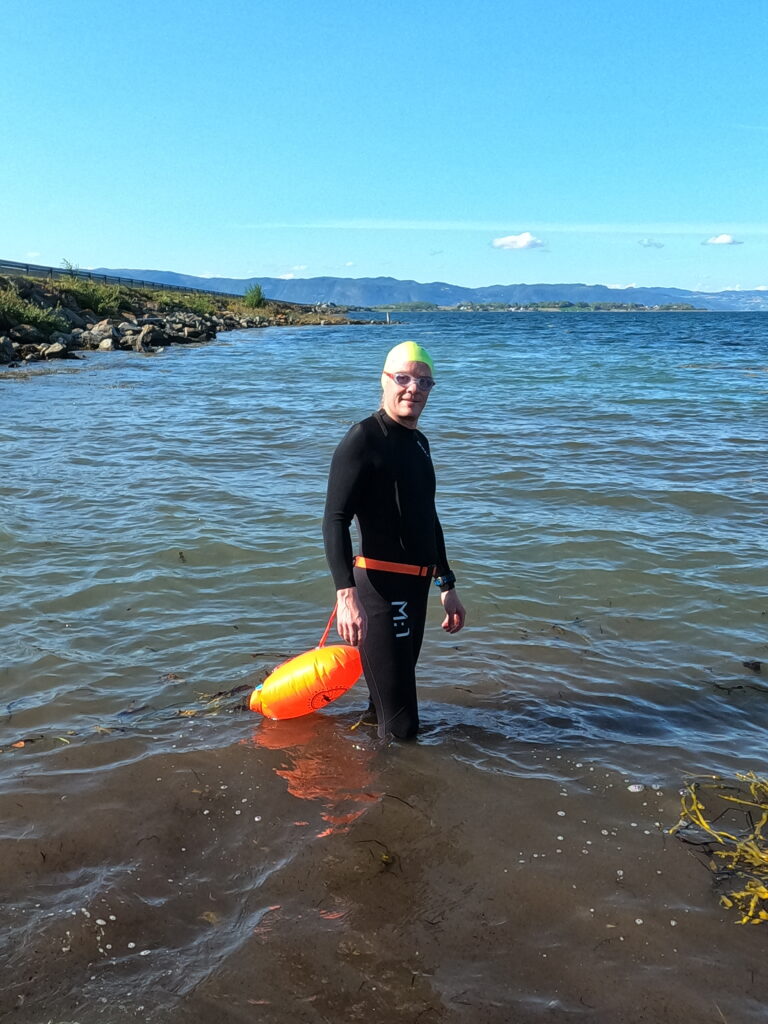
Finally ready for swimming!

We started in a positive mood. Idun, however, thought there were more than enough waves, and there was a lot of gulping and coughing and snorting along the way. Knut, on the other hand, thinks waves are just fun.
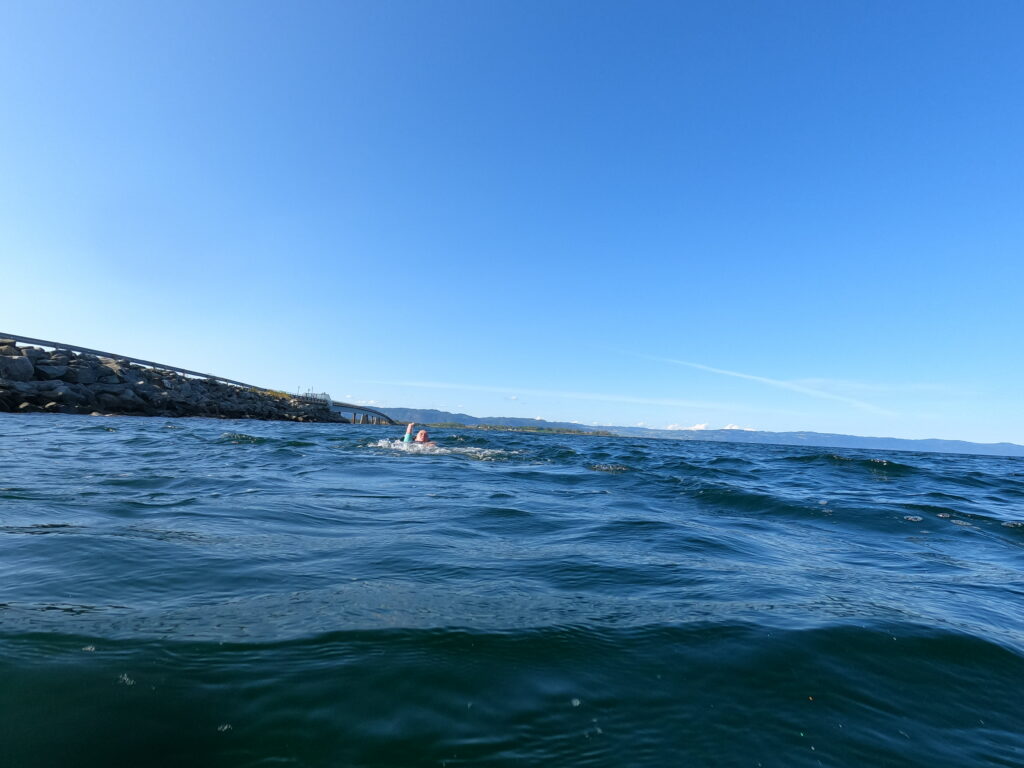
Idun on the move.

After 700 meters of splashing with the waves, we finally arrived at the Tautra Bridge. It is not very high, but still a clear ‘voi‘-bridge. A voi-bridge is a bridge that is highest in the middle, and gives you the feeling of driving over something when you pass. This is in contrast to a ‘vosj‘-bridge, which is the same height as the road, where you drive past without noticing that you are driving over something (the expression comes from Architecture Professor Vegard Hagerup at NTNU). However, we were going to swim under it, and it turned out to be a real ‘vosj‘ experience to swim under the’ voi‘-bridge! There was current! Indeed! We thought we would be able to swim across the strait, but we had no chance against the current. ‘Vosj’ happened, and suddenly we had passed under the bridge. ‘We have to turn around! Immediately!’ And we did. With a support boat we could have tried, but without it was too scary, and not tempting at all, to end up in the middle of the fjord. It took a few hectic minutes before we managed to get to the outside of the breakwater.
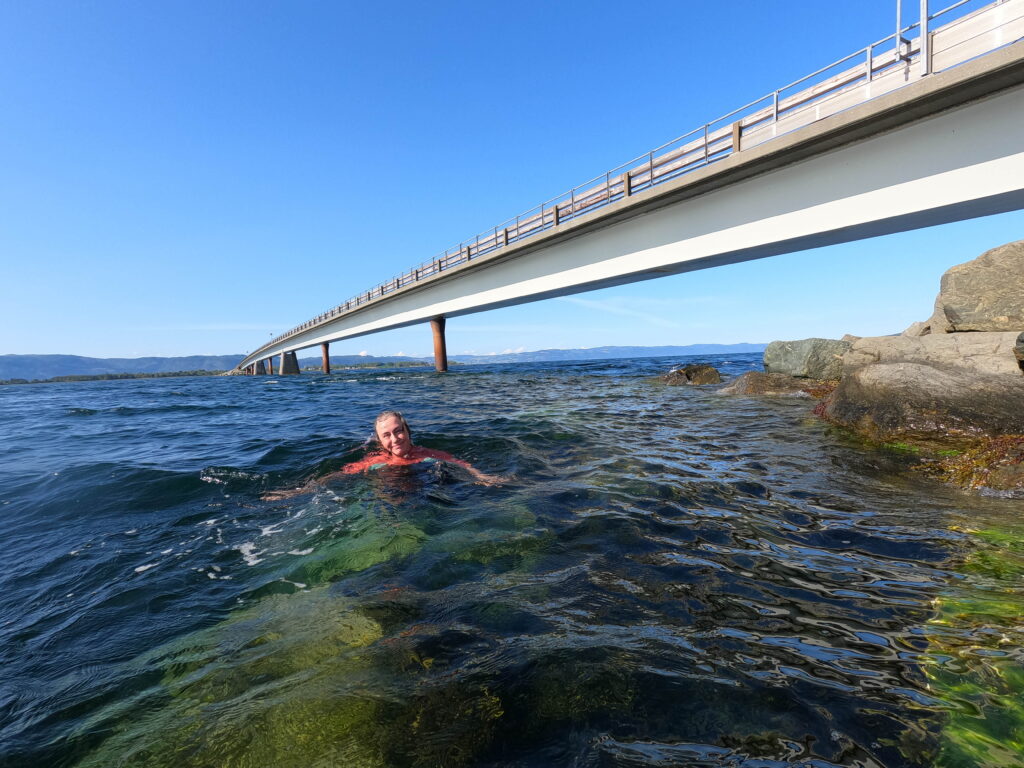
Phew! It all went well, although it was a bit hectic with the tidal current.

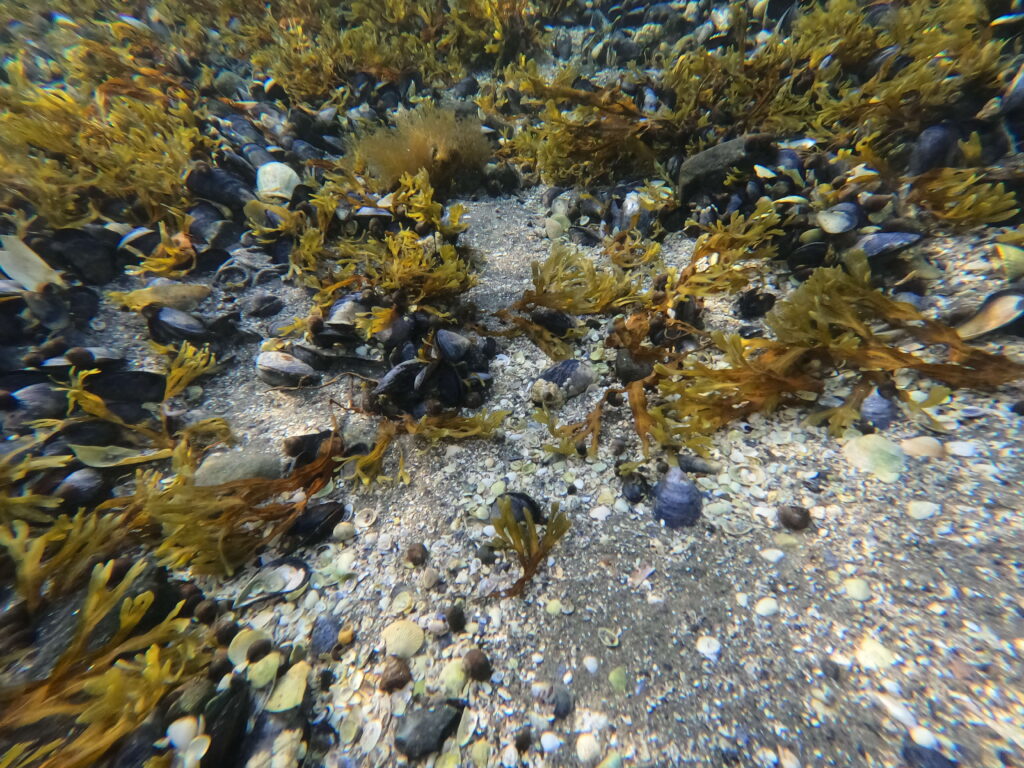
On the outside the water was calm this day, and the swim back was really nice. Knut even got to do his crawl exercises. At shallow waters there we saw a nice seabed with alternating sand and rocks.
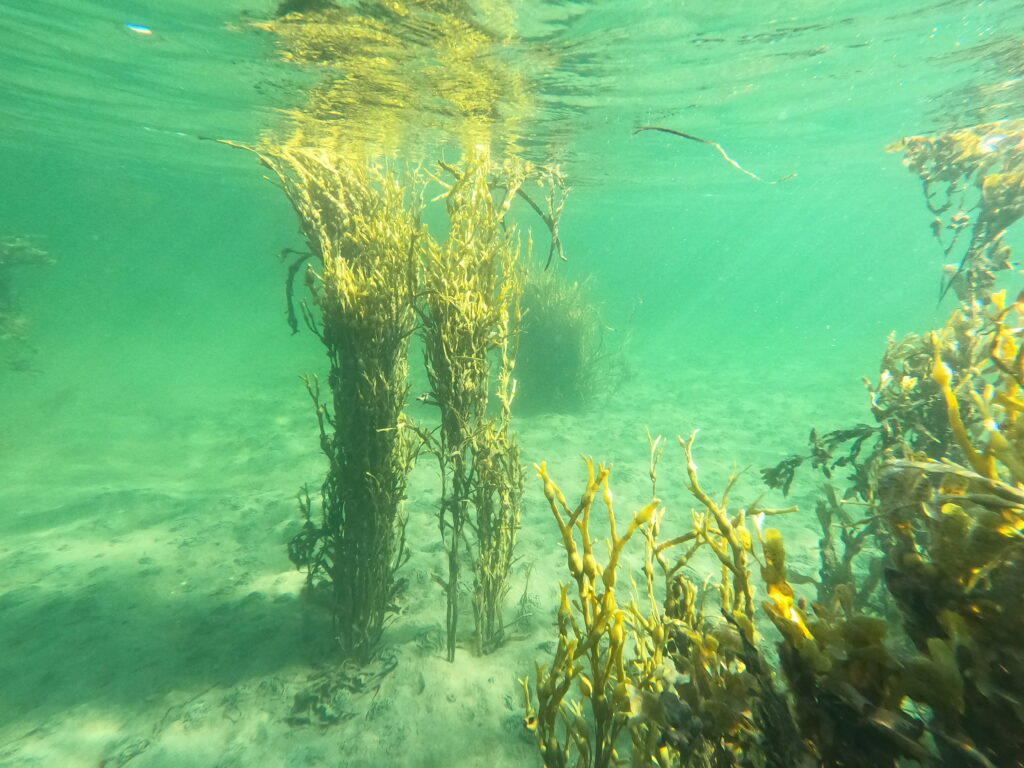
Sand and rocks in the inner Trondheim fjord.

But then – back to the logistics. Back on land we were standing on one side of the strait, while the car, clothes and towels were on Tautra. Then it was just a matter of walking, to the horror of our wet socks.
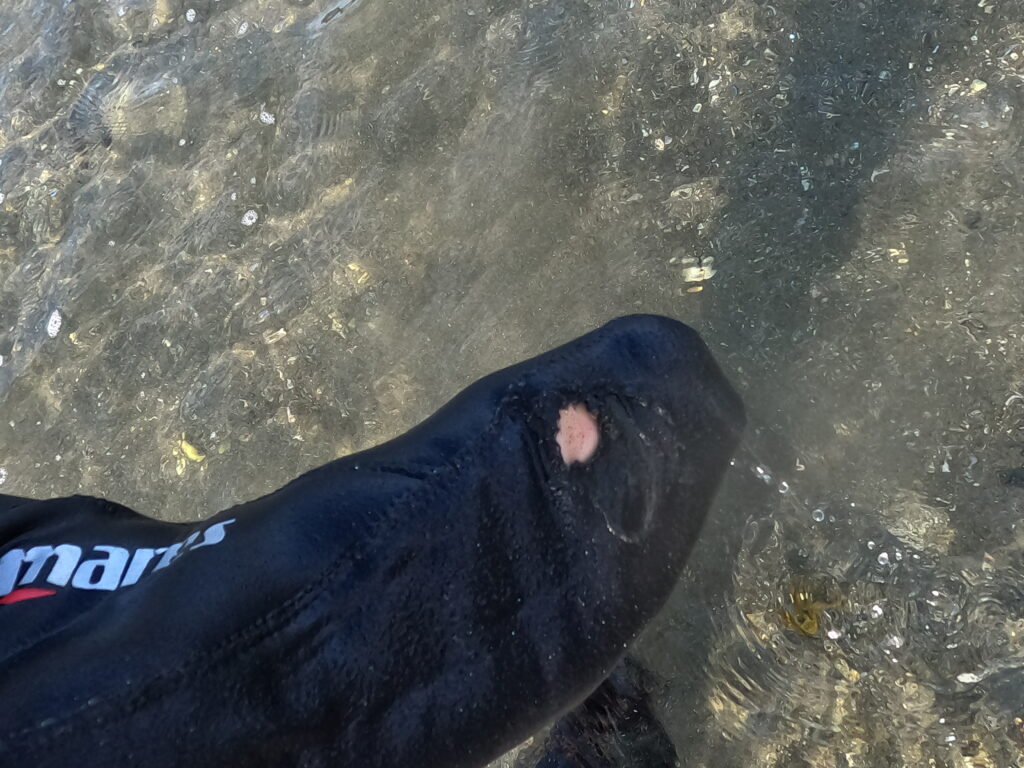
Wet socks are basically made for swimming, not walking.

It seems that we will continue having troubles with equipment that fails during swimming…

And the conclusion?

We didn’t swim to Tautra
The Tautra Bridge is a voi-bridge when you drive over it and a vosj-bridge when you swim under
We need to practice more on planning

All in all a nice trip!

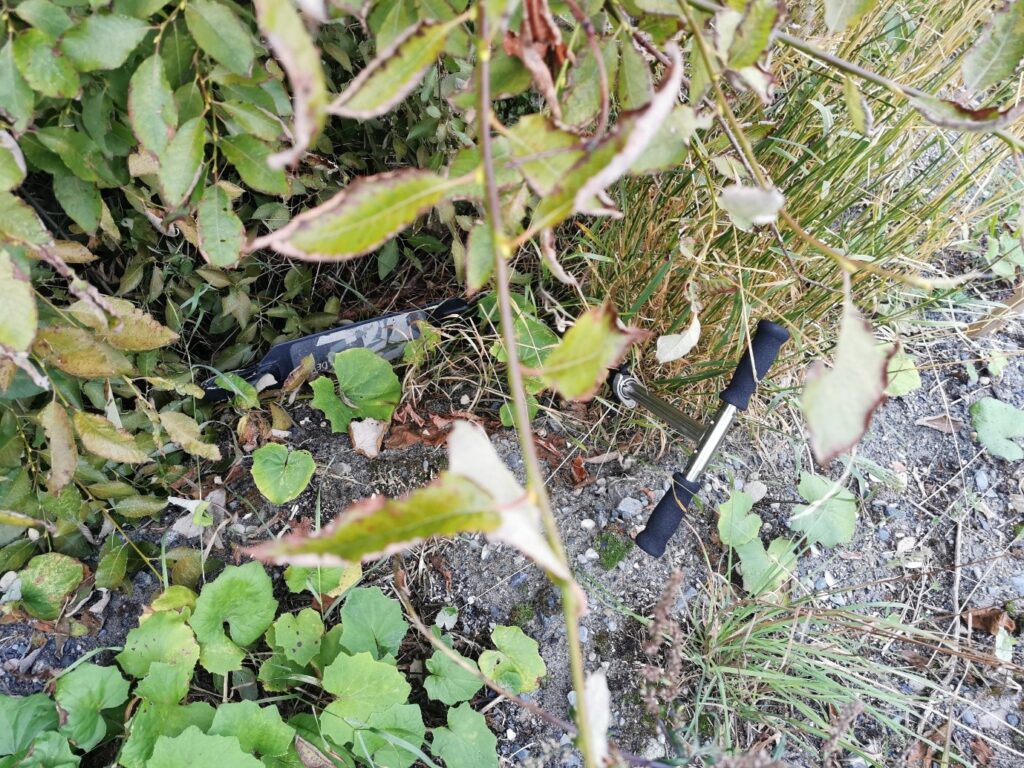
… but that wasn’t all. Once home, we discovered that something was missing: The scooter! It’s still lying in the bushes at the mainland side.
The Sofas at Frosta

Back to planning, or lack thereof, again. We were supposed to drop off our house’s second foreign student at Værnes early in the morning (2021). This time too, we thought it would be a good idea to take a swim afterwards. We had been recommended a beach in Malvik with a great bakery right next to it – and it was a brilliant plan. But according to the big internet, the bakery wasn’t open at 6:00 on a Monday morning, imagine that! Suddenly we realized that the scooter was still left under a bush at Frosta, and we figured out that we should pick it up and visit an interesting swimming spot we noted on our way to Tautra last week instead.

To avoid repeating the mistake, we picked up the scooter first. It was still in the ditch, luckily!

Scooter found!

Then we just had to do some sightseeing that we didn’t have time for last time. For Central Norway, the Frosta Thing was established and the Frostatingsloven (The Frosta Thing law) was written sometime between the latter half of the 11th century and the mid-12th century. The most famous quote from it is: “Our country must be built by law and not be destroyed without law“, which is probably taken from the Roman: “civitatis fundaretur legibus“.

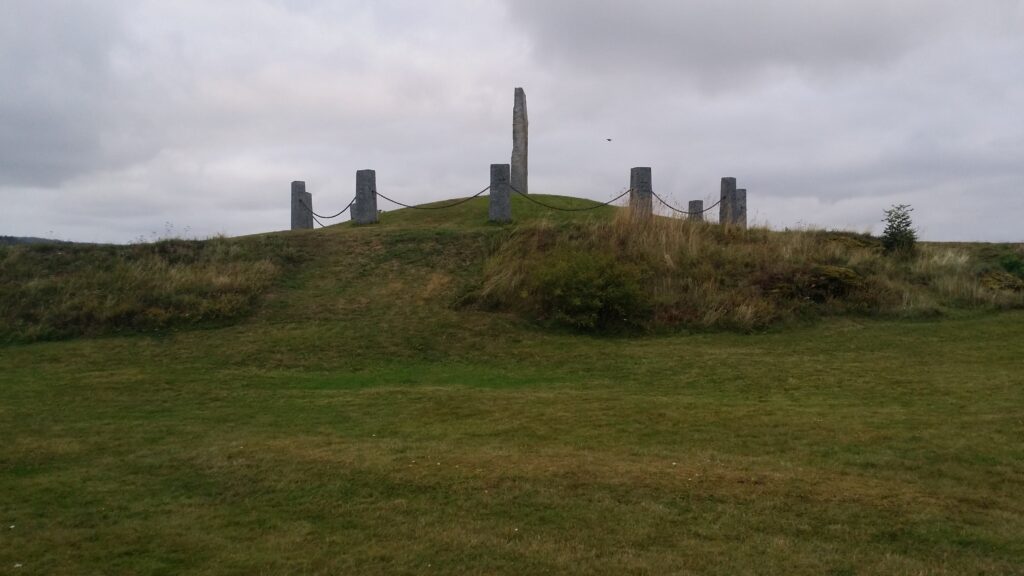
The Frosta Thing memorial.

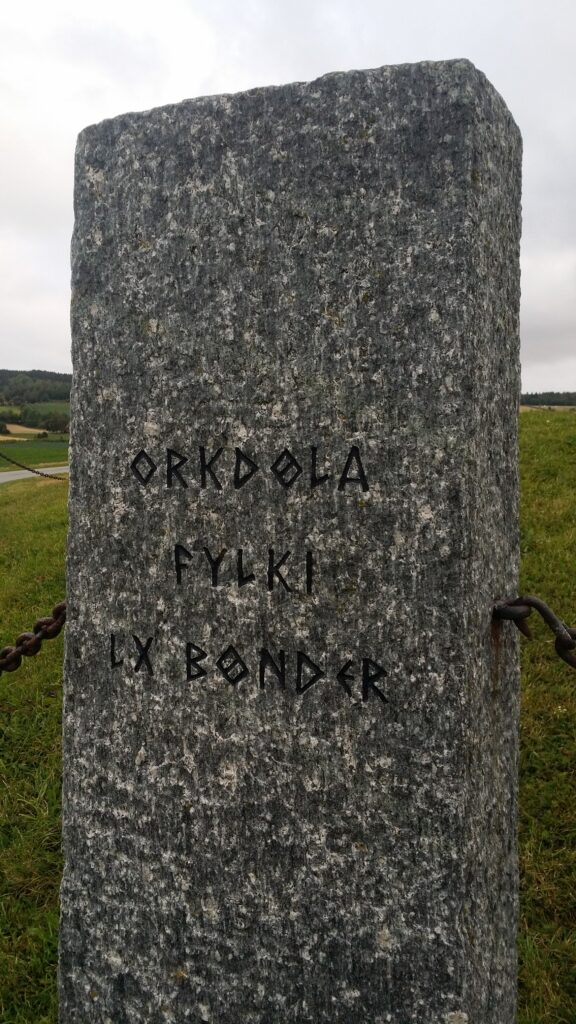
At the place where the actual Thing is believed to have been held (Logtun = Law Farm), a memorial, bauta, was erected in 1914, with 12 pillars around it, one for each county that held the Thing there. On the pillars you can read how many Thing members each county could send.

Orkdal could elect 60 farmers to the Frostatinget.

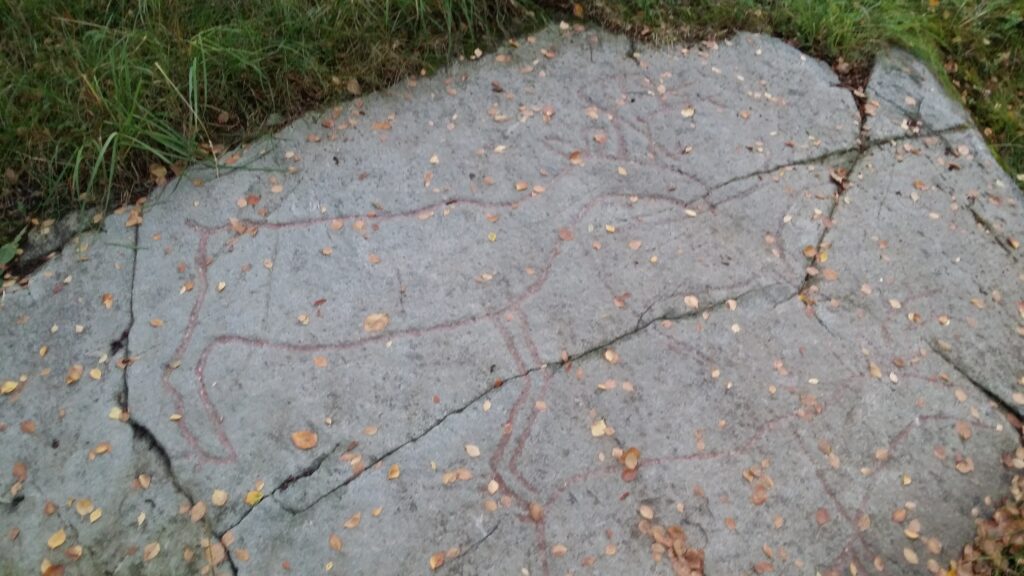
A little further out on the peninsula (Evenhus) you can see traces of earlier artists, in the form of rock carvings, including this fine moose:

There are several beautiful rock carvings at Frosta.

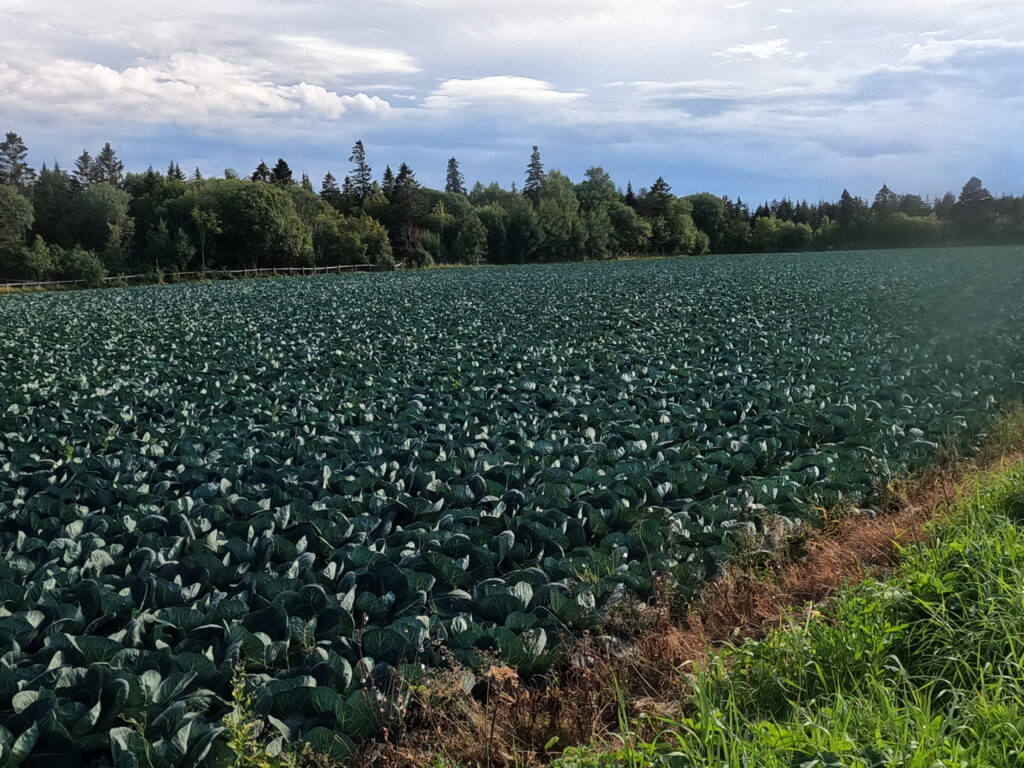
Stylish with 4000-year-old art! It’s no wonder that there was an early settlement here. Frosta is rightly called “Trøndelag’s food platter“. It is lush here, with good soil and a reasonable mild climate. Vegetables grow everywhere and even before 6 am many people were already out in the fields working on the harvest!

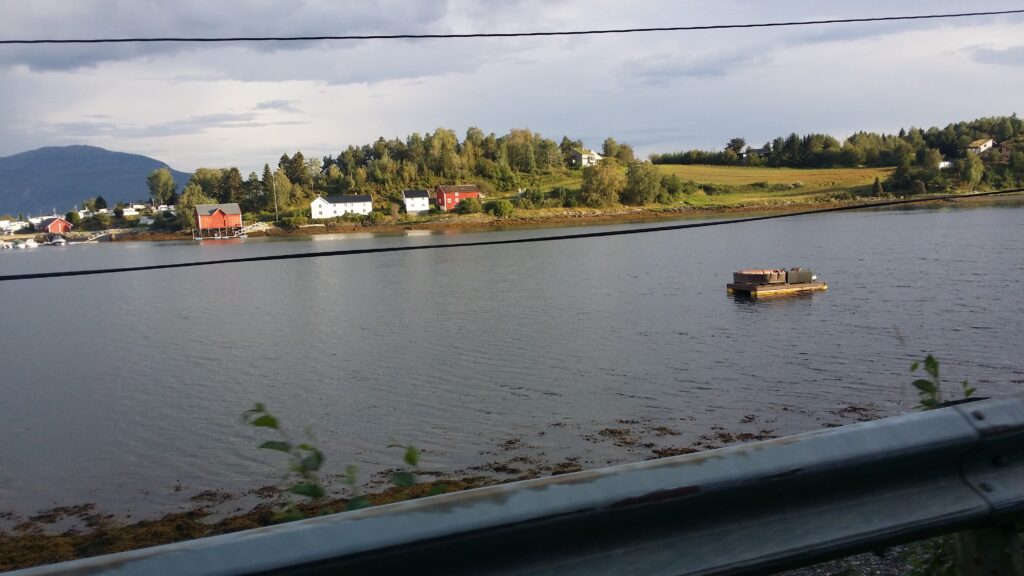
After all the sightseeing, a swim was a good idea. We noticed this facility in Hyndøyvågen right by Frosta Golf Club on our last Frosta trip:

The floating sofas at Frosta.

So we parked along the road and swam out.

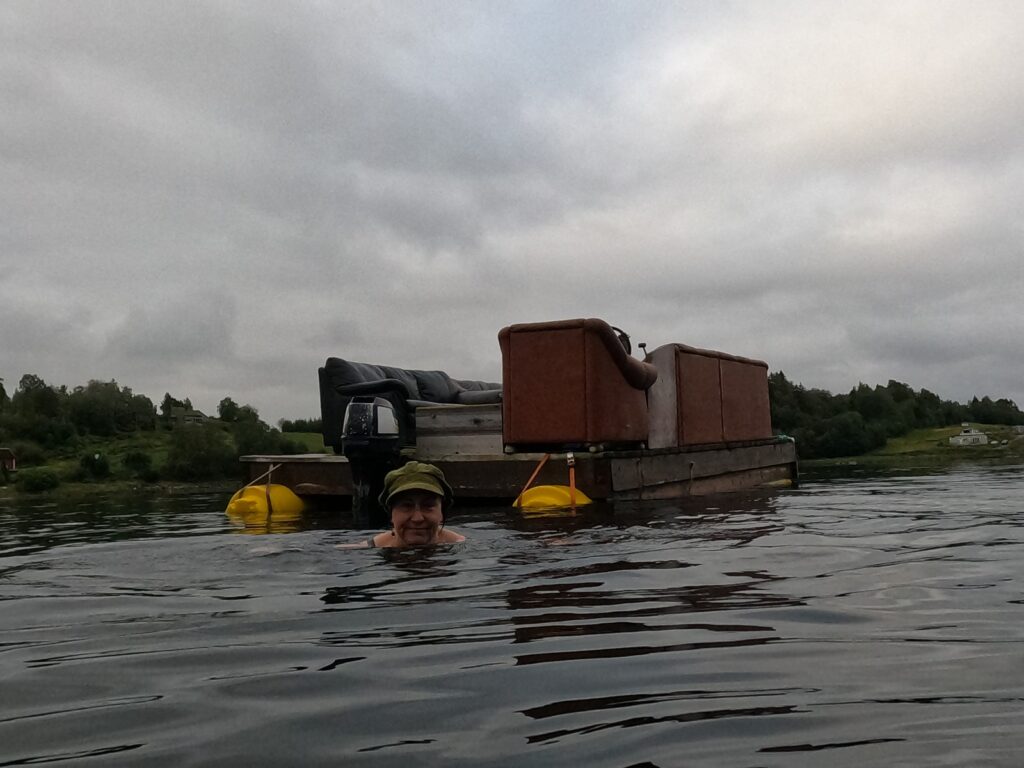
Nice swim to the Frosta Sofas.

Real luxury! Unfortunately we had forgotten to bring our morning coffee.

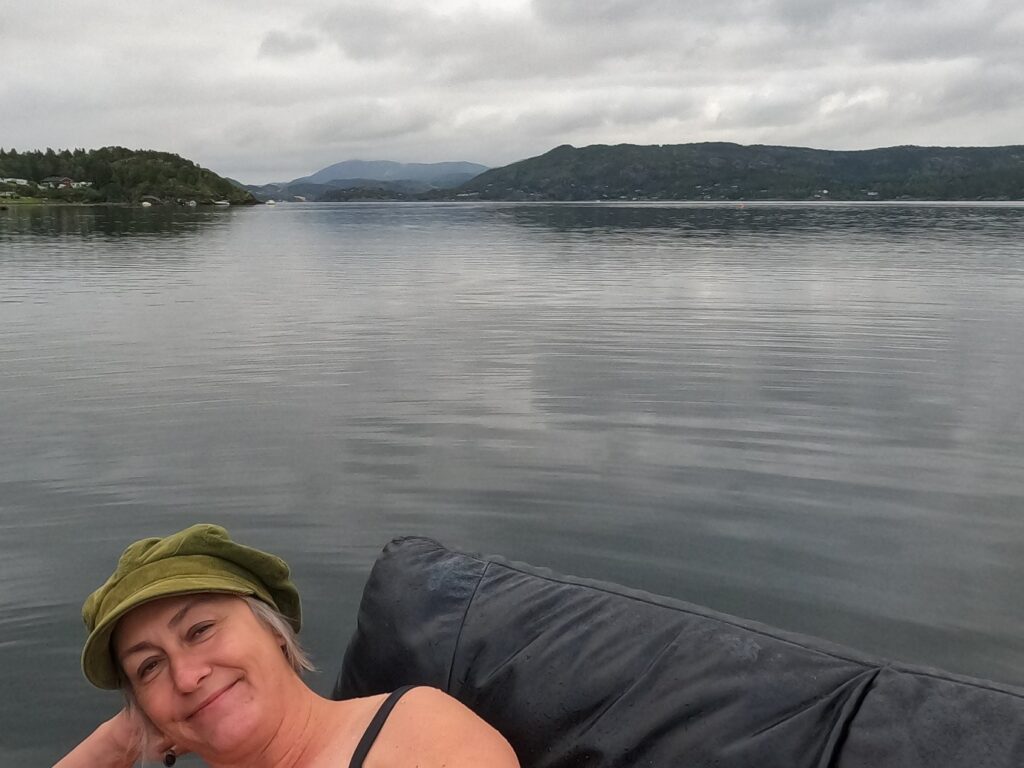
Relaxed morning at Frosta.

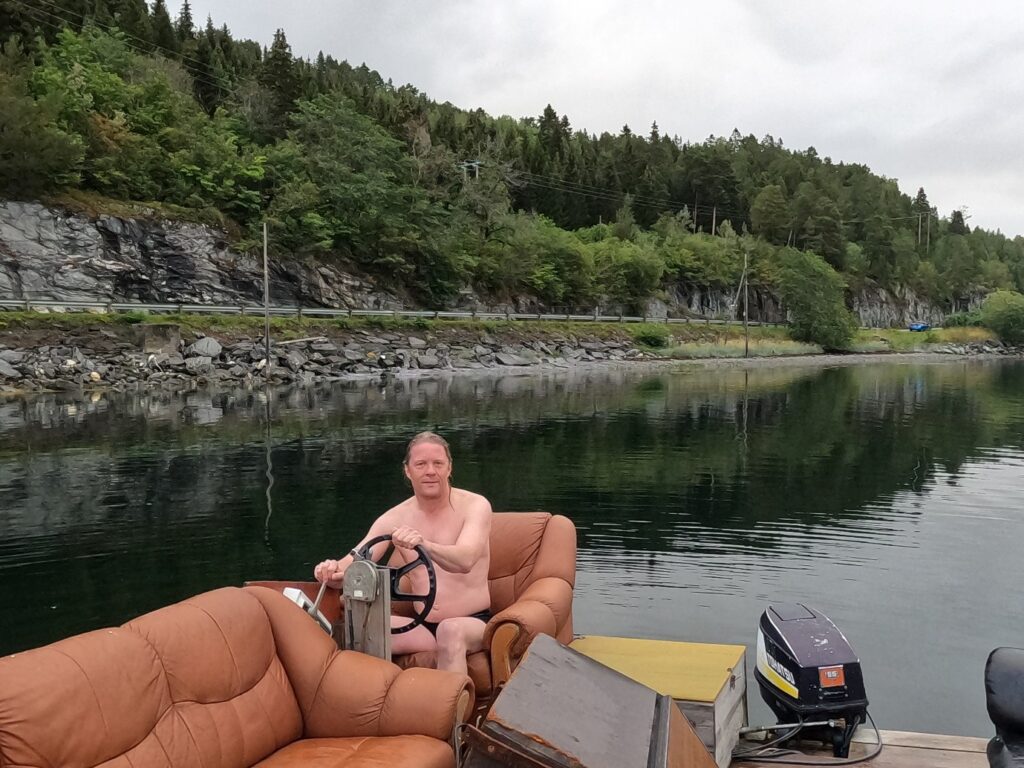
What we hadn’t seen from the road was that this raft was also equipped with an outboard motor! Since we hadn’t exactly asked permission to board the ship, we left the motor untouched, but it’s okay to pretend, right?

Knut pretending to be captain of the sofas.

Things (like a refrigerator) suggest that the vessel was made for- and used for relatively festive purposes. Luckily the sea was really calm, as we were a little doubtful about its maneuverability.

P.S: There is a nice beach (Kvitsandvika) just behind the golf course, if the sofas are showing their absence!

Tautra

Tautra in the inner Trondheimsfjord is a 3.5 km long island. The width varies from 70 meters at its narrowest, to 1 km. It is lush here! The island consists largely of gravel and sand deposits formed at the end of the last ice age. In Trøndelag, this moraine ridge is called the ‘Tautratrinnet’ = The Tautra step, since the ridge passed here.

Arriving in Tautra.

Early spring and good soil provide good growing conditions. Agriculture combined with fishing has been practiced here since the Iron Age, and it still continues. All you can do is look forward to the Irish stew’s season (In Norwegian Fårikål).

Tautra delivers high quality!

In 1207, a monastery was established on the north side of Tautra. The monks came from Lyse Monastery in Bergen. They were skilled in agriculture and gardening. In fact, it is the Cistercian monks on Tautra that you can thank the next time you struggle to get rid of the ground elder/goutweed in your garden. The goutweed was introduced intentionally to Tautra because it was considered useful, and is called ‘Tautra cabbage‘ in parts of Trøndelag. Today’s tip: ‘If you can’t beat them – eat them!‘. Replace basil with tautra cabbage the next time you make pesto, it works great! Smaller leaves can be chopped and used as a salad. The plant is rich in vitamin C and has a calming and anti-inflammatory effect, so just go ahead and make the pesto!

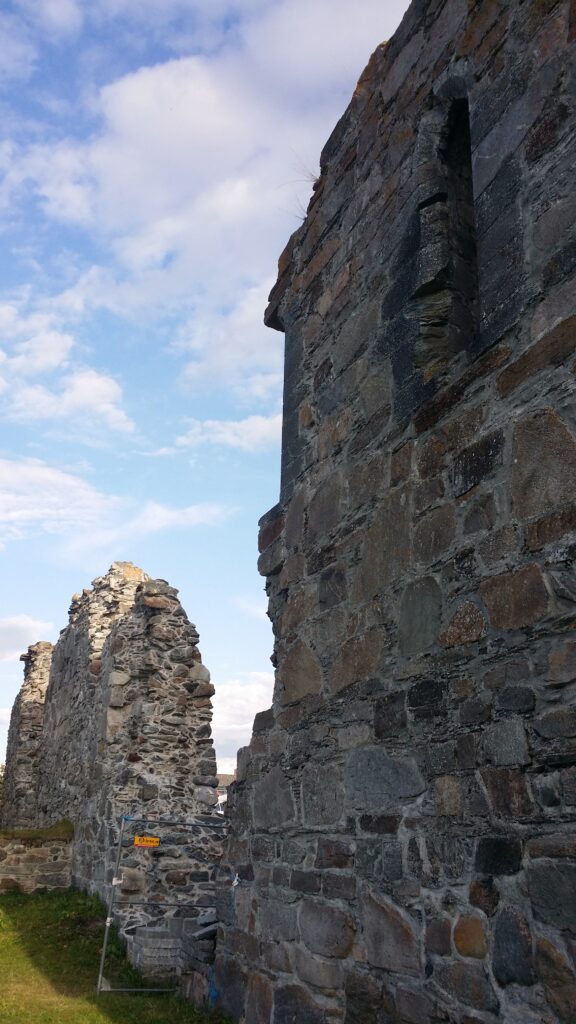
The monastery ruins at Tautra.

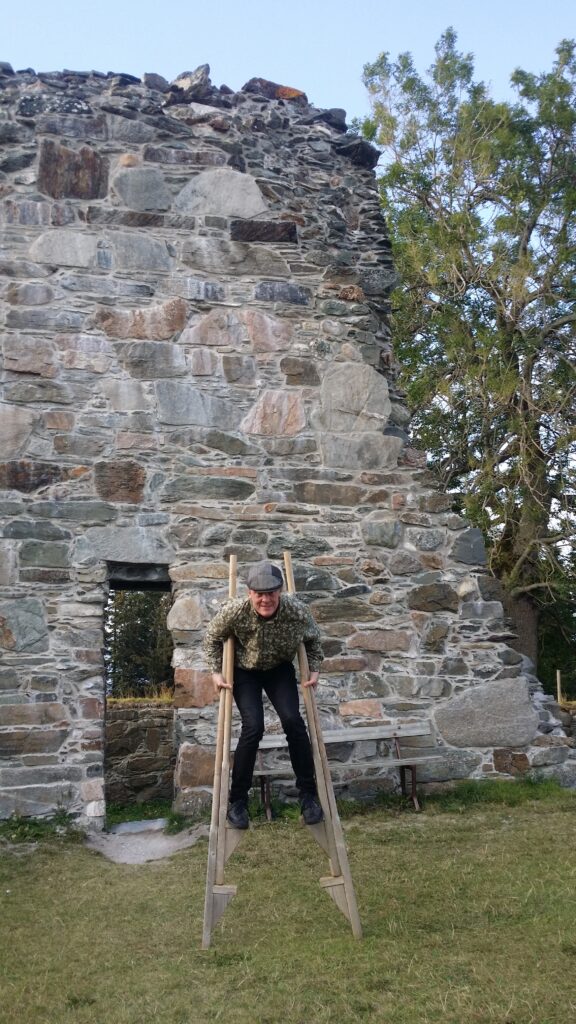
Tautra Monastery was closed after the Reformation. However, remains of the monastery church still exist. There are various activities here in the summer, and Knut was delighted to find several pairs of stilts in the ruins. However, it is possible that the stilts were not from the 13th century. Note the bright and effortless smile, not easy to recreate old skills!

Walking on stilts is super easy!

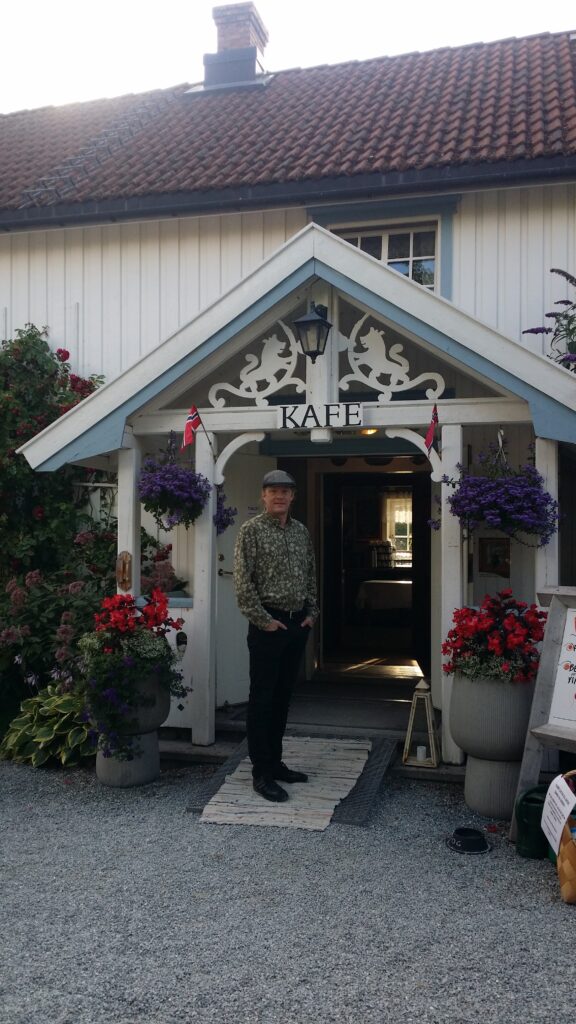
Right next to the monastery ruins there is a café, party room, shop and gallery called Klostergården Tautra. It’s well worth a visit!

Knut checking in at Klostergården Tautra.

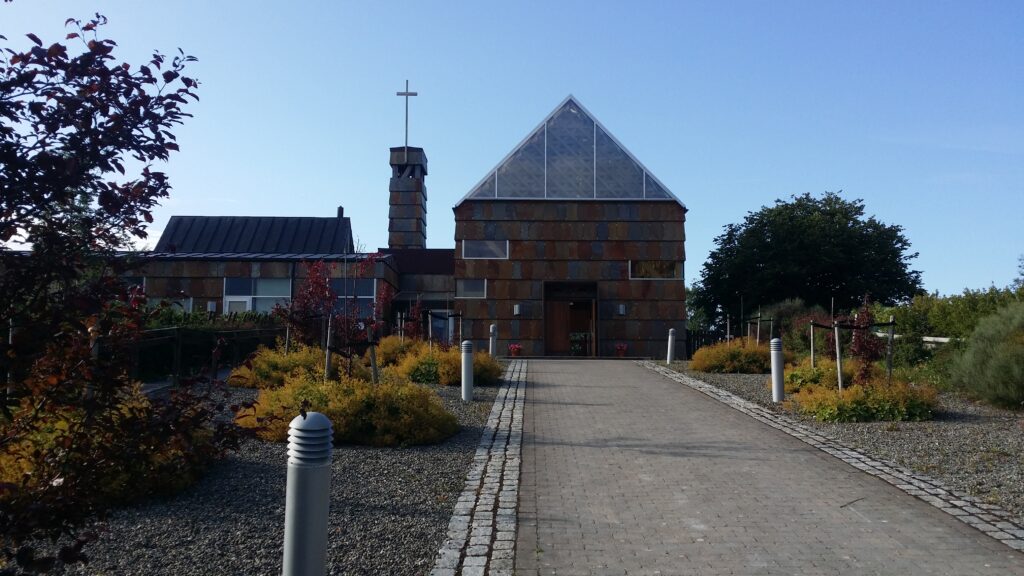
Tautra Mariakloster was established in 1999. The monastery is in a modern style and has won a number of architectural awards. It was inaugurated by Queen Sonja, and is a nunnery (no munks as in the old days). The monastery has a visitor center and there are shops and accommodation options here. A stylish place!

The new Tautra nonnery.

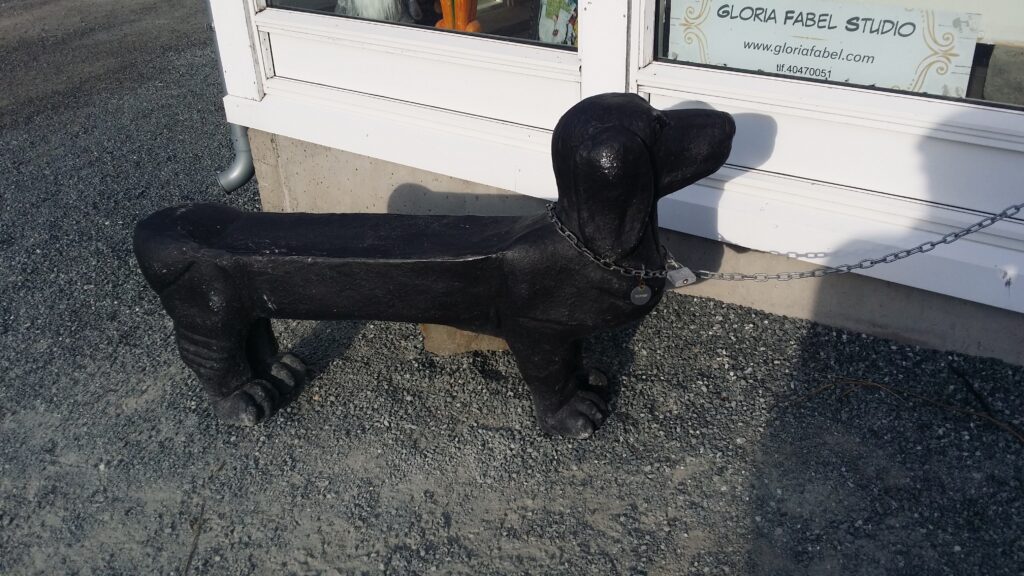
We were at Tautra in brilliant sunshine. Two minutes after we entered the E6 in Åsen on our way home, it was raining cats and dogs. Maybe that’s why ‘Fido‘ wanted so much to enter Klostergården?

Fido is waiting impatiently.

After all this history, a swim was a good idea! At the narrowest part of the island you will find ‘Nordhamna‘ = the north harbour. This is a large cove, a great swimming spot for families with small children.

Nordhamna.

Our visit was at low tide, and we have to admit that the cove is probably not suitable for swimming, it is just too shallow. But for food – YES! There are both cockles and mussels here (we didn’t run into Molly Mallone, though). Maybe ‘Pasta alle cozze e vongole á la Tautra’ is an idea? (check https://www.matportalen.no/verktoy/blaskjellvarsel/ first!) And when finished – try seasoning the seafood pasta with Tautra cabbage!

‘Cockles and mussels alive, alive, oh‘.

Behind us you see the southern part of the island, where the new Cistercian monastery is located.

Tautra at dusk.

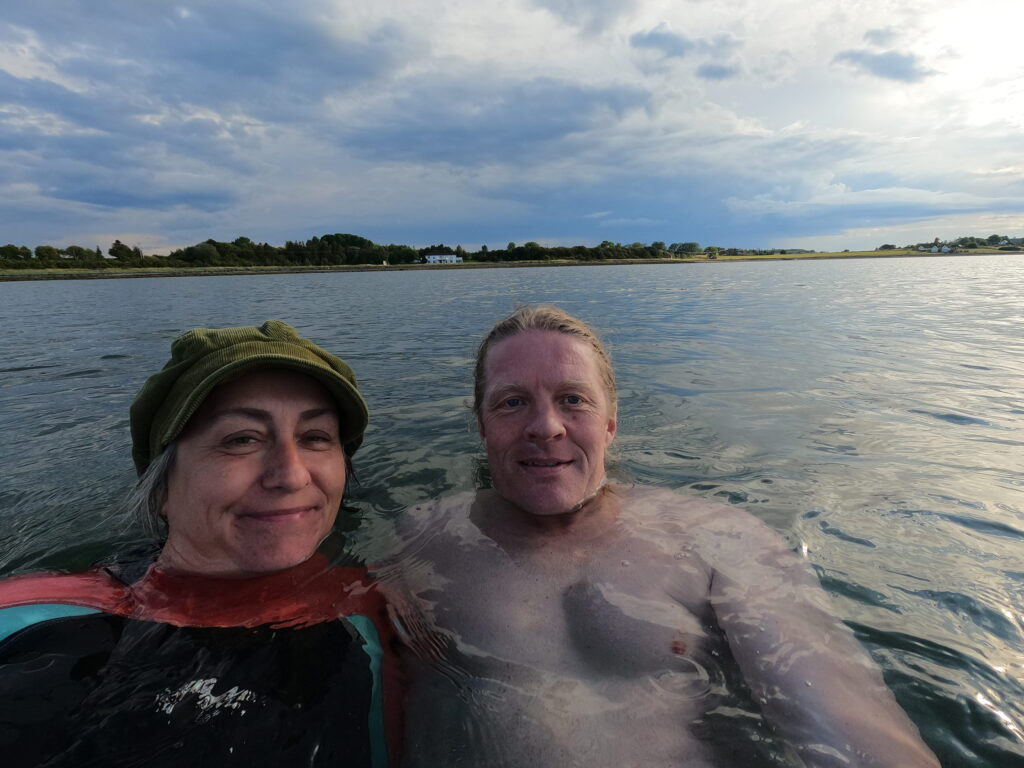
After walking some 500 m out from the shore, we finally got our bodies under water. Always nice to have a bath, but here it was important to wear wet socks. Indeed!