Tautra in the inner Trondheimsfjord is a 3.5 km long island. The width varies from 70 meters at its narrowest, to 1 km. It is lush here! The island consists largely of gravel and sand deposits formed at the end of the last ice age. In Trøndelag, this moraine ridge is called the ‘Tautratrinnet’ = The Tautra step, since the ridge passed here.
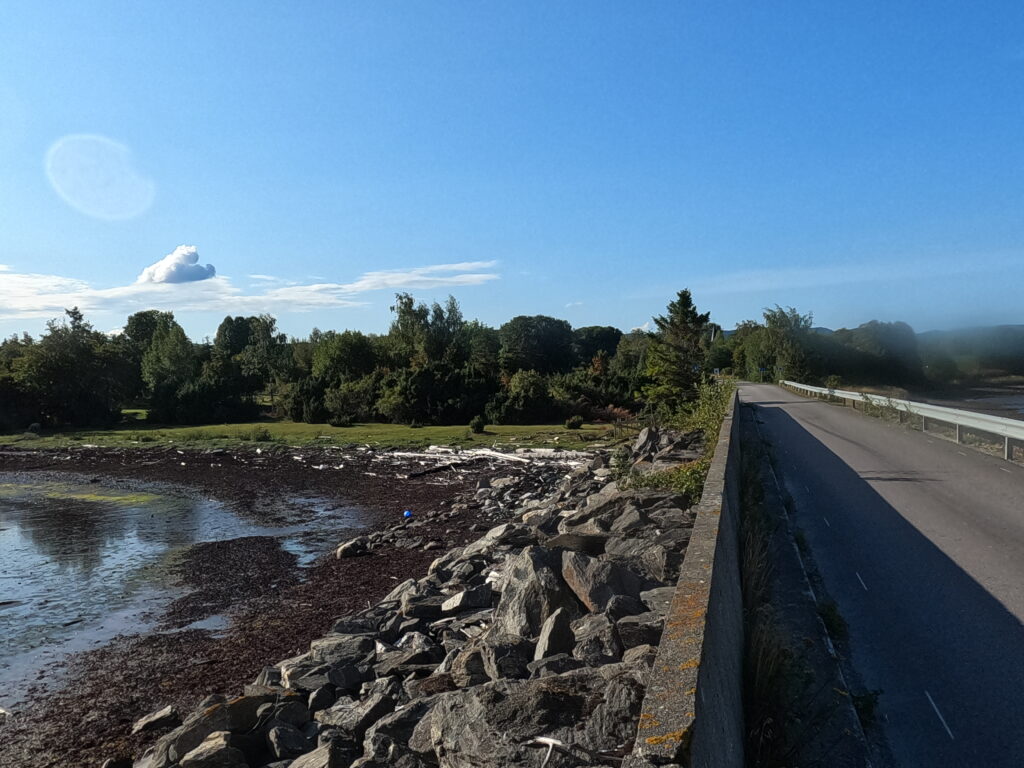
Early spring and good soil provide good growing conditions. Agriculture combined with fishing has been practiced here since the Iron Age, and it still continues. All you can do is look forward to the Irish stew’s season (In Norwegian Fårikål).
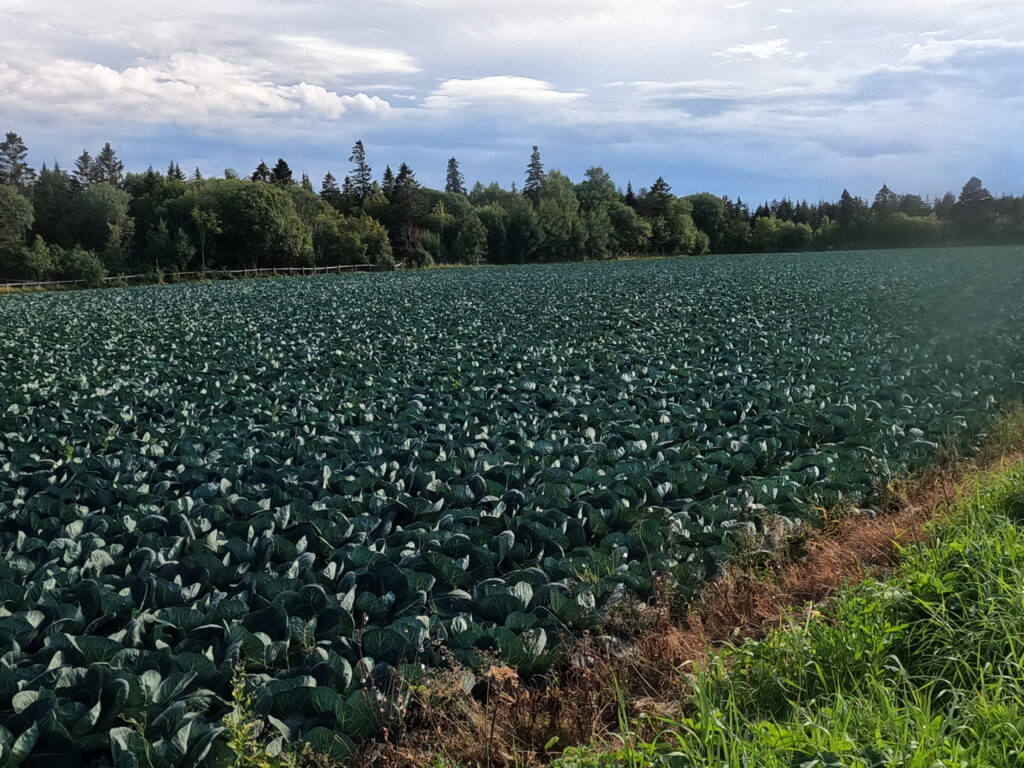
In 1207, a monastery was established on the north side of Tautra. The monks came from Lyse Monastery in Bergen. They were skilled in agriculture and gardening. In fact, it is the Cistercian monks on Tautra that you can thank the next time you struggle to get rid of the ground elder/goutweed in your garden. The goutweed was introduced intentionally to Tautra because it was considered useful, and is called ‘Tautra cabbage‘ in parts of Trøndelag. Today’s tip: ‘If you can’t beat them – eat them!‘. Replace basil with tautra cabbage the next time you make pesto, it works great! Smaller leaves can be chopped and used as a salad. The plant is rich in vitamin C and has a calming and anti-inflammatory effect, so just go ahead and make the pesto!
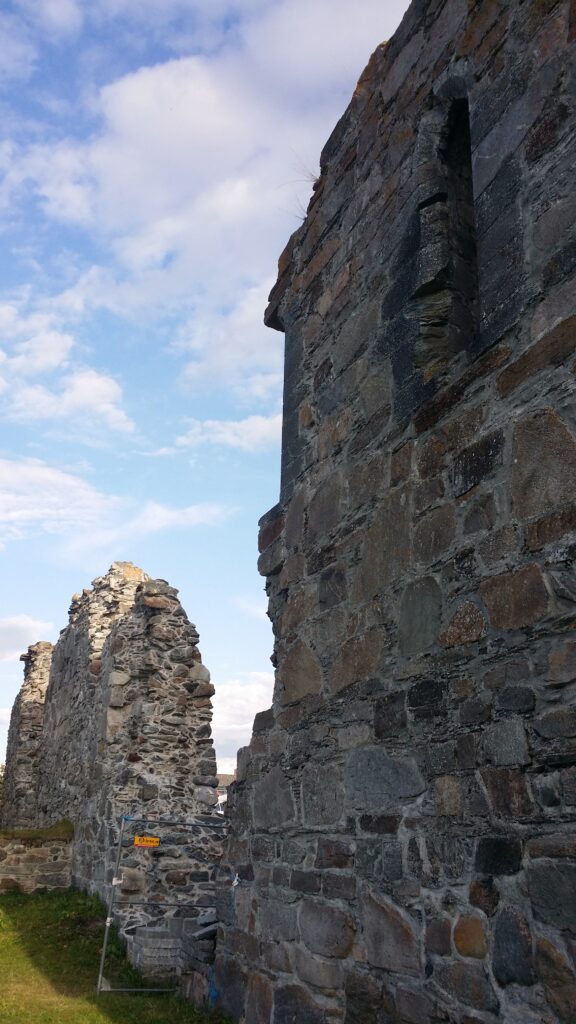
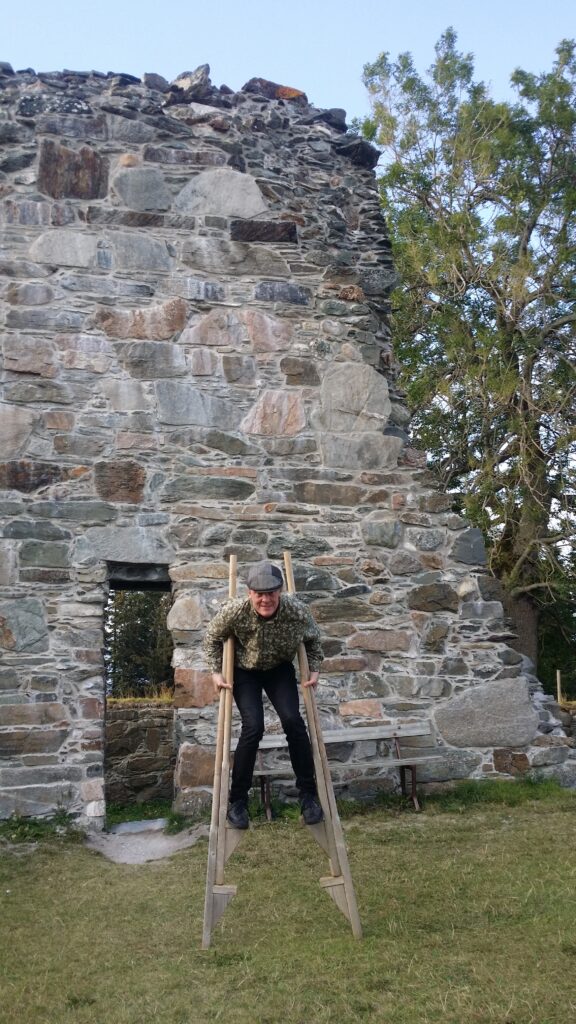
Tautra Monastery was closed after the Reformation. However, remains of the monastery church still exist. There are various activities here in the summer, and Knut was delighted to find several pairs of stilts in the ruins. However, it is possible that the stilts were not from the 13th century. Note the bright and effortless smile, not easy to recreate old skills!
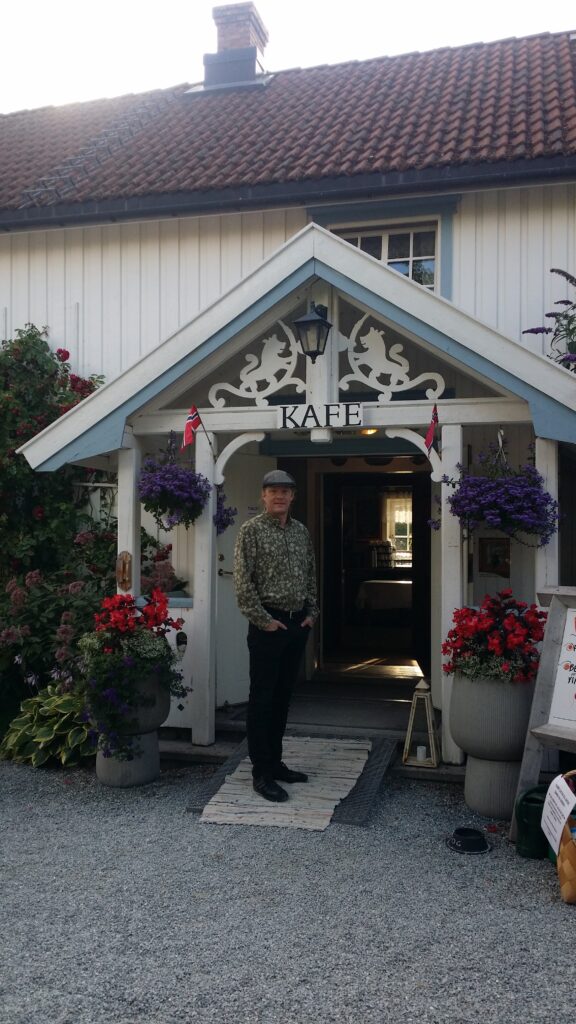
Right next to the monastery ruins there is a café, party room, shop and gallery called Klostergården Tautra. It’s well worth a visit!
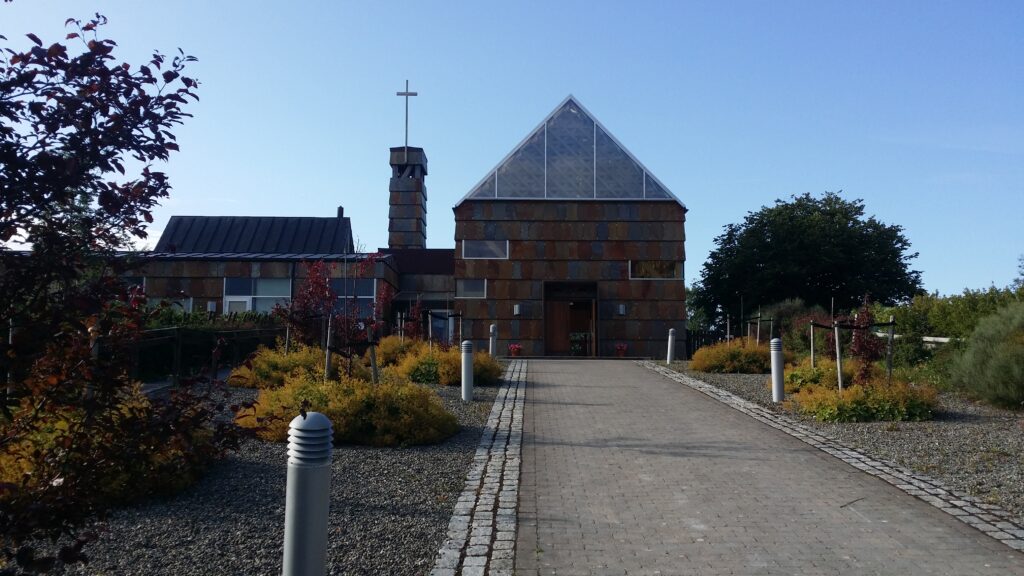
Tautra Mariakloster was established in 1999. The monastery is in a modern style and has won a number of architectural awards. It was inaugurated by Queen Sonja, and is a nunnery (no munks as in the old days). The monastery has a visitor center and there are shops and accommodation options here. A stylish place!
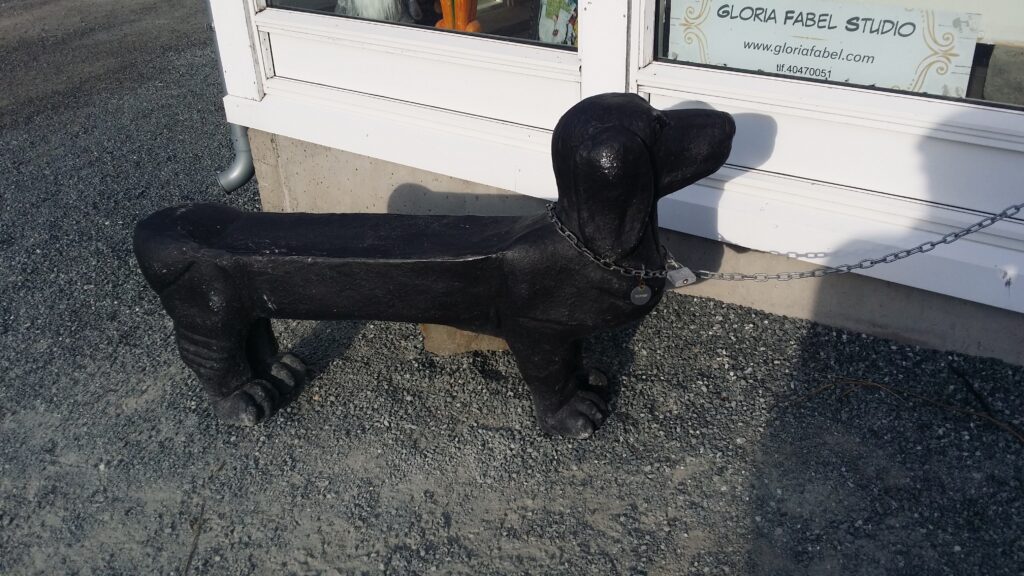
We were at Tautra in brilliant sunshine. Two minutes after we entered the E6 in Åsen on our way home, it was raining cats and dogs. Maybe that’s why ‘Fido‘ wanted so much to enter Klostergården?
After all this history, a swim was a good idea! At the narrowest part of the island you will find ‘Nordhamna‘ = the north harbour. This is a large cove, a great swimming spot for families with small children.
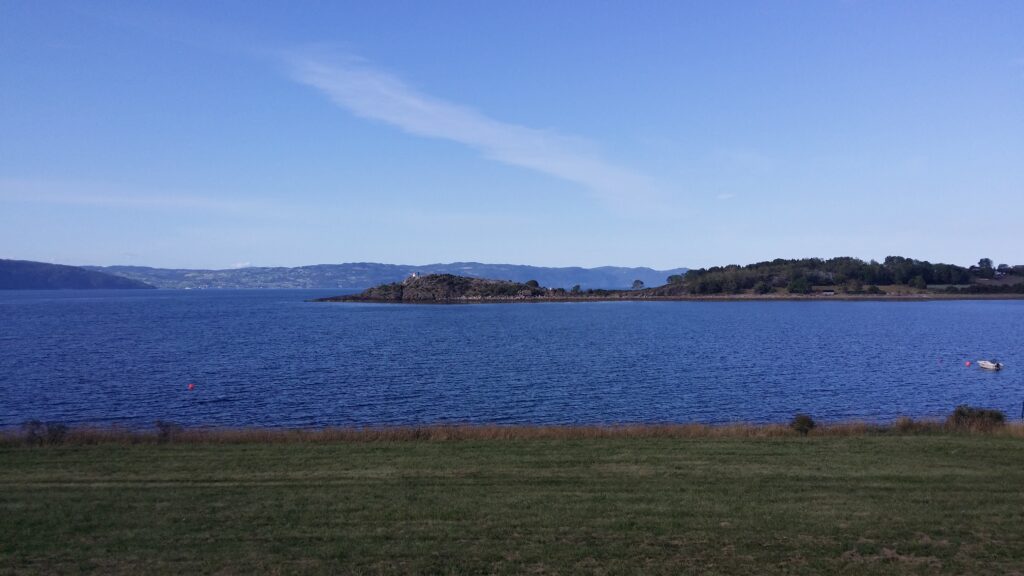
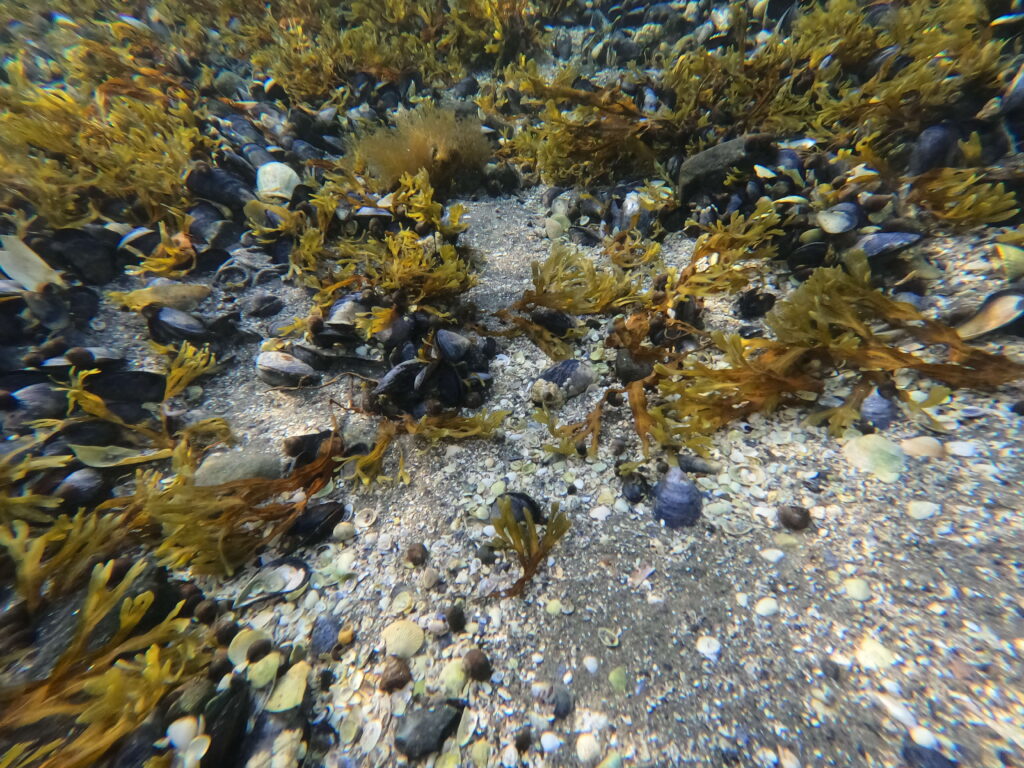
Our visit was at low tide, and we have to admit that the cove is probably not suitable for swimming, it is just too shallow. But for food – YES! There are both cockles and mussels here (we didn’t run into Molly Mallone, though). Maybe ‘Pasta alle cozze e vongole á la Tautra’ is an idea? (check https://www.matportalen.no/verktoy/blaskjellvarsel/ first!) And when finished – try seasoning the seafood pasta with Tautra cabbage!
Behind us you see the southern part of the island, where the new Cistercian monastery is located.
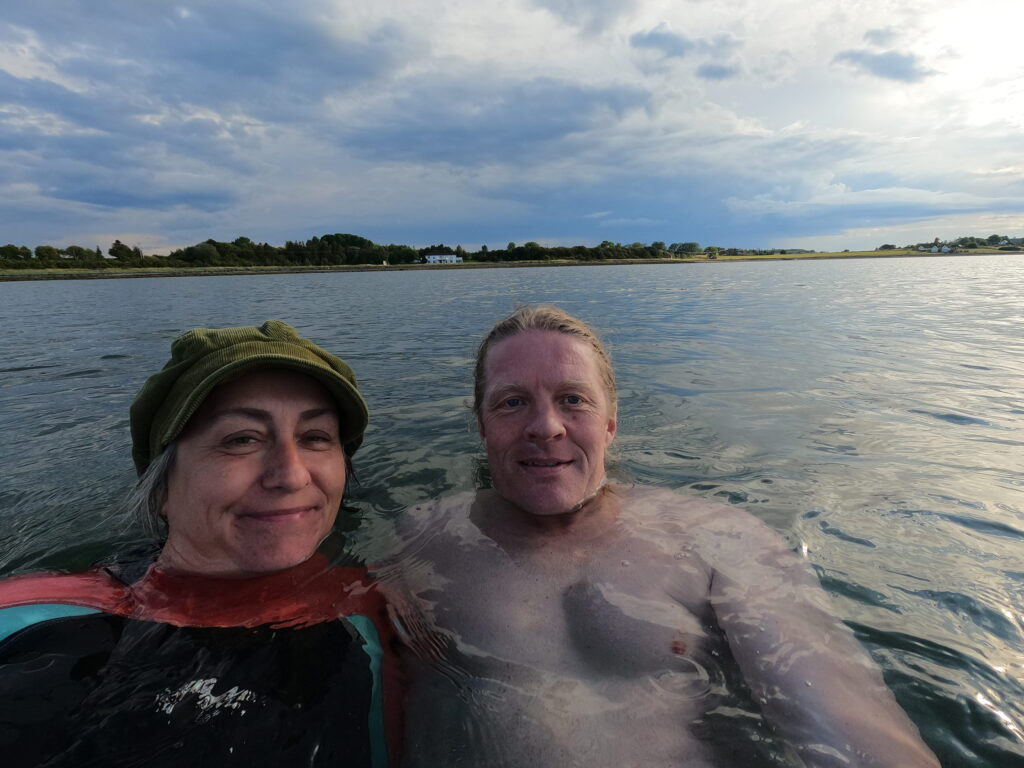
After walking some 500 m out from the shore, we finally got our bodies under water. Always nice to have a bath, but here it was important to wear wet socks. Indeed!