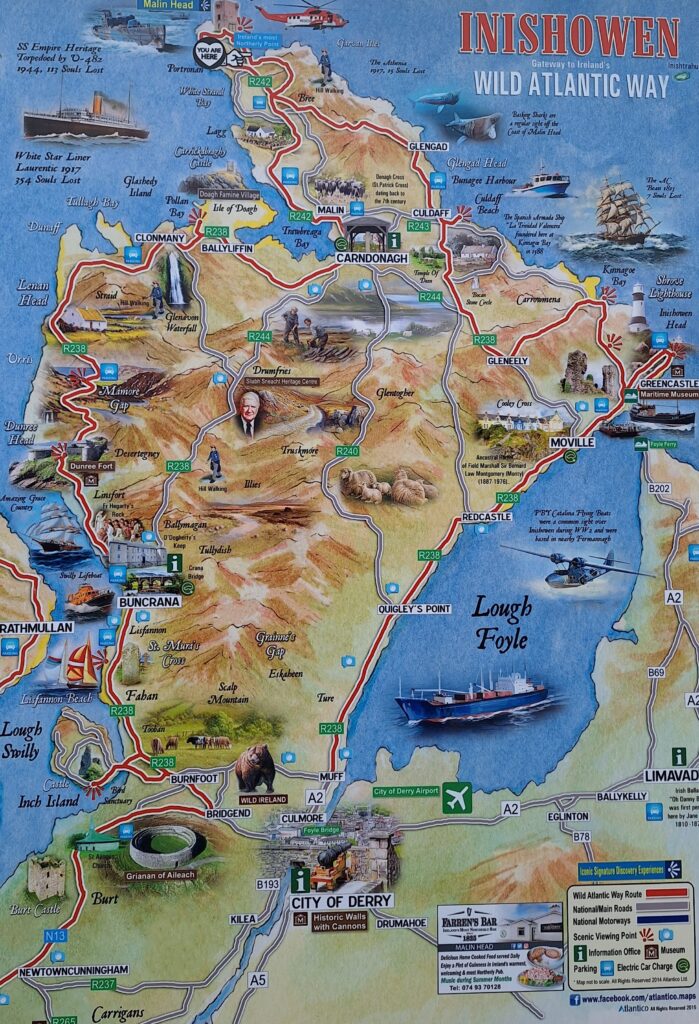
When you look at the map of the Republic of Ireland, there is a piece sticking up to the west (and north!) of Northern Ireland, namely County Donegal. The name comes from the Irish ‘Dún na nGall’ = ‘Fort of the Foreigners‘. The border with Ireland (in the south) is 9 km long, while the border with Northern Ireland in the east is 100 km, and they also call themselves: ‘The Forgotten County‘.
Inishowen has many beautiful beaches, but also a lot of really old ancient monuments. At the end of the last ice age (some 12,000 years ago), a wave of immigrants came to Ireland from the Iberian Peninsula. These were nomads who used stone tools. Agriculture, however, started about 4,000 years ago by another group of people, from Britain. They brought with them livestock (cows, sheep, goats), grains (wheat, barley), new tools and a sedentary lifestyle. The first settlers were partly displaced by and partly assimilated by the new settlers.
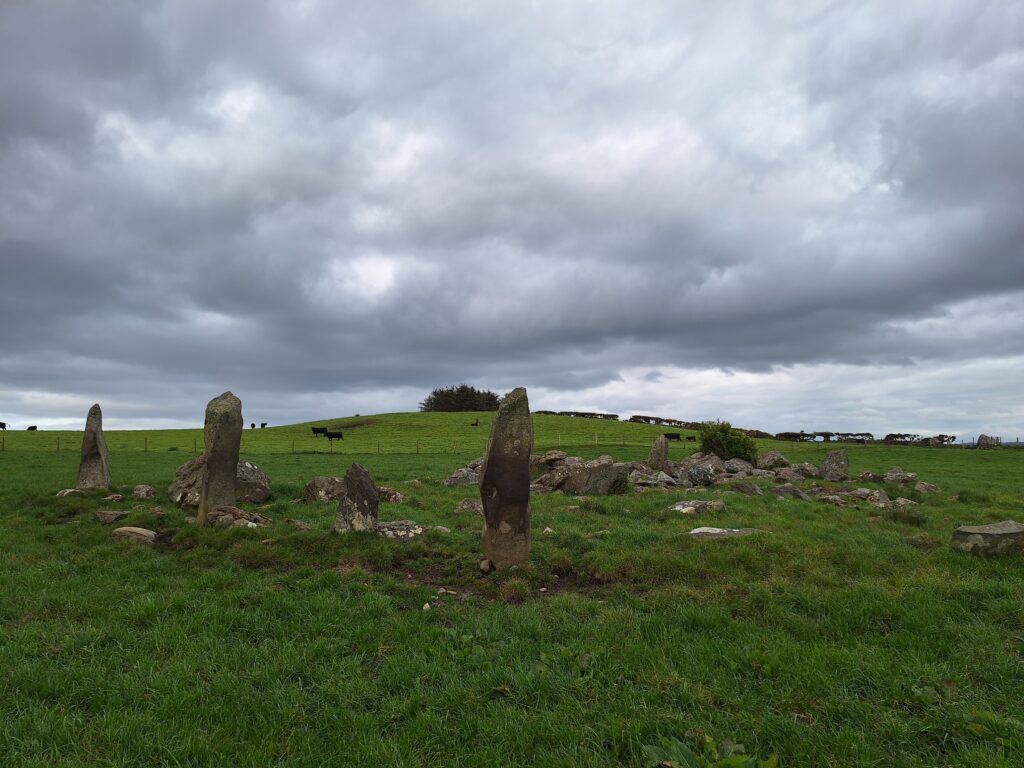
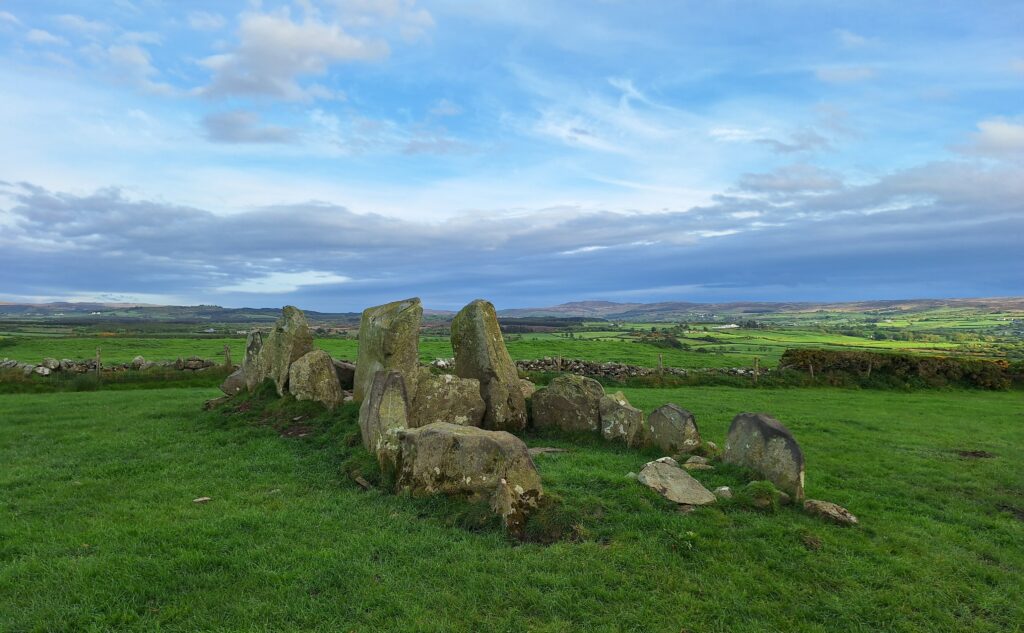
A few hundred metres from the ‘Bocan Stone Circle’, on the other side of the road, lies another, slightly younger monument, The ‘Temple of Deen’, which is not a temple at all, but certainly a burial site. Earlier map-makers have misinterpreted this as a Druid temple, and the name has stuck ever since. This tomb is 3,500 years old.
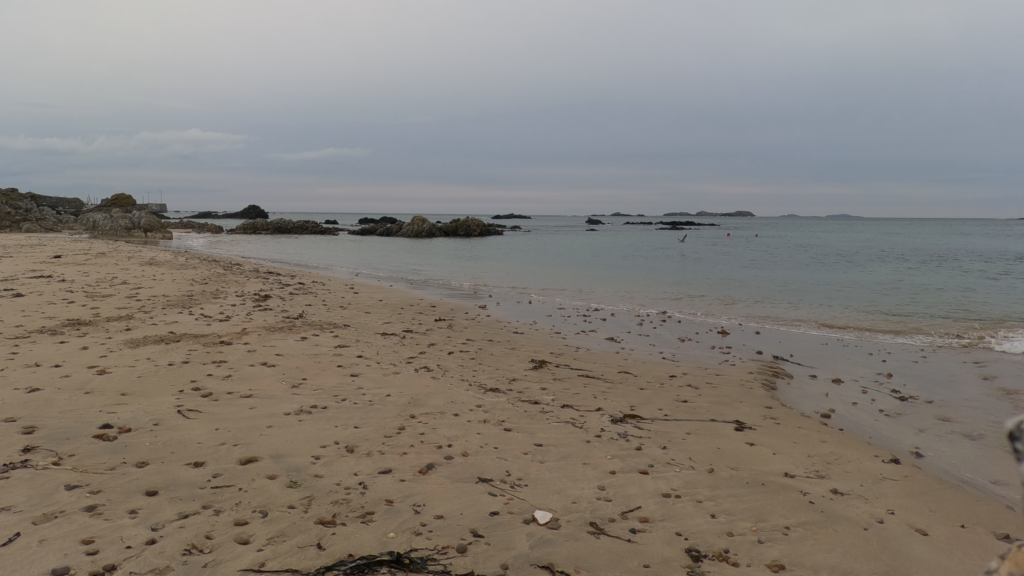
A splendid trip back in time should be celebrated with an equally great swim in the present. The nearest beach is ‘Culdaff Beach‘ – a gem! Well, to be more precise, there are two beaches: A small one, surrounded by cliffs, and a large beach where there are good conditions for walks with and without the dogs – and long swimming sessions.
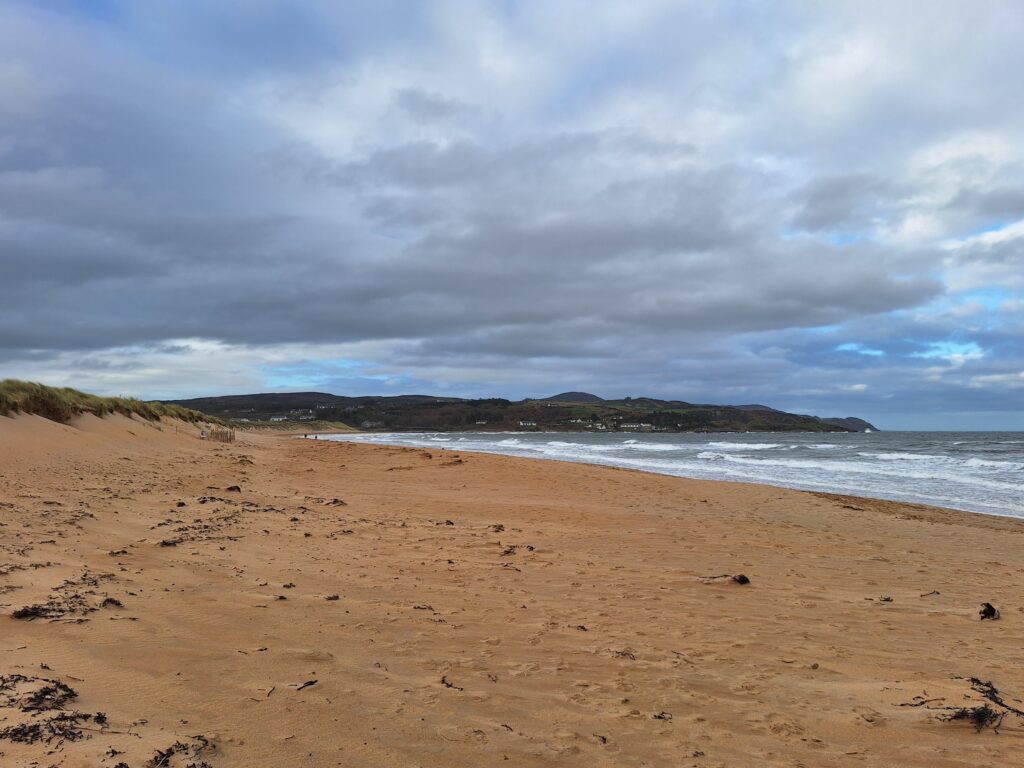
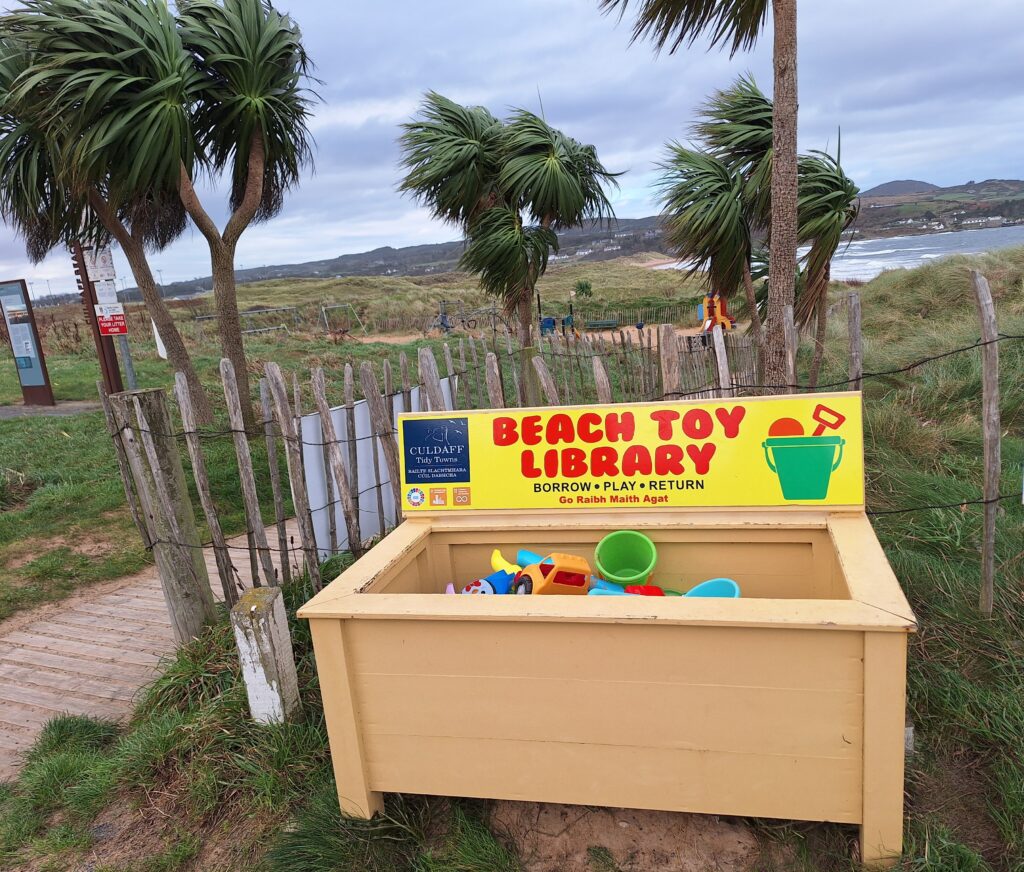
Culdaff comes from the Irish Gaelic ‘Cúil Dabhcha’ = ‘the Nook by the Pool’. This has been a good harbour in former times. At the car park you are greeted by a box of beach toys. A really friendly welcome!
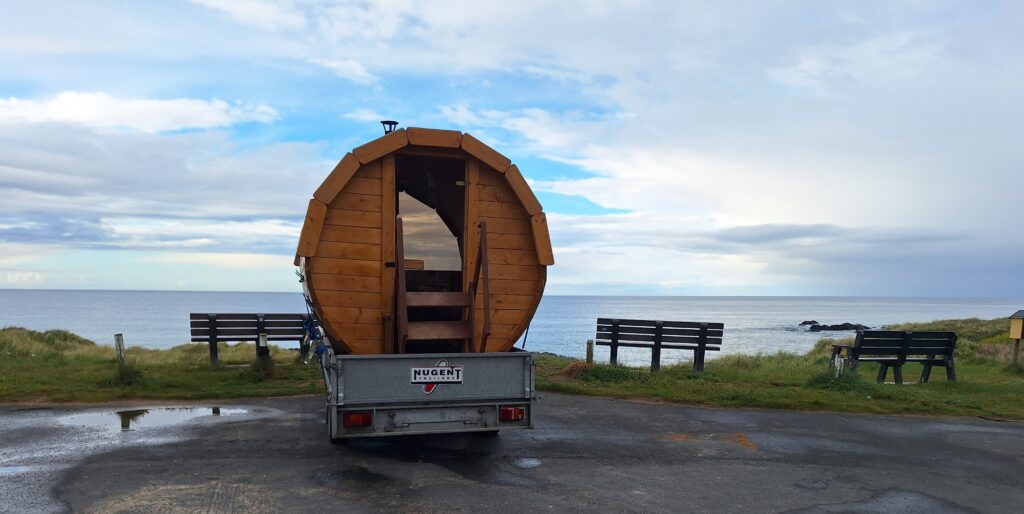
At Culdaff Beach there is a mobile sauna well situated. Tobatheornottobathe tried to book a place, but it was impossible all week. Sauna culture is getting more and more popular in Ireland also.
On the third visit, we finally had a swim at Culdaff Beach. It was an absolutely fantastic evening with a beautiful sunset.
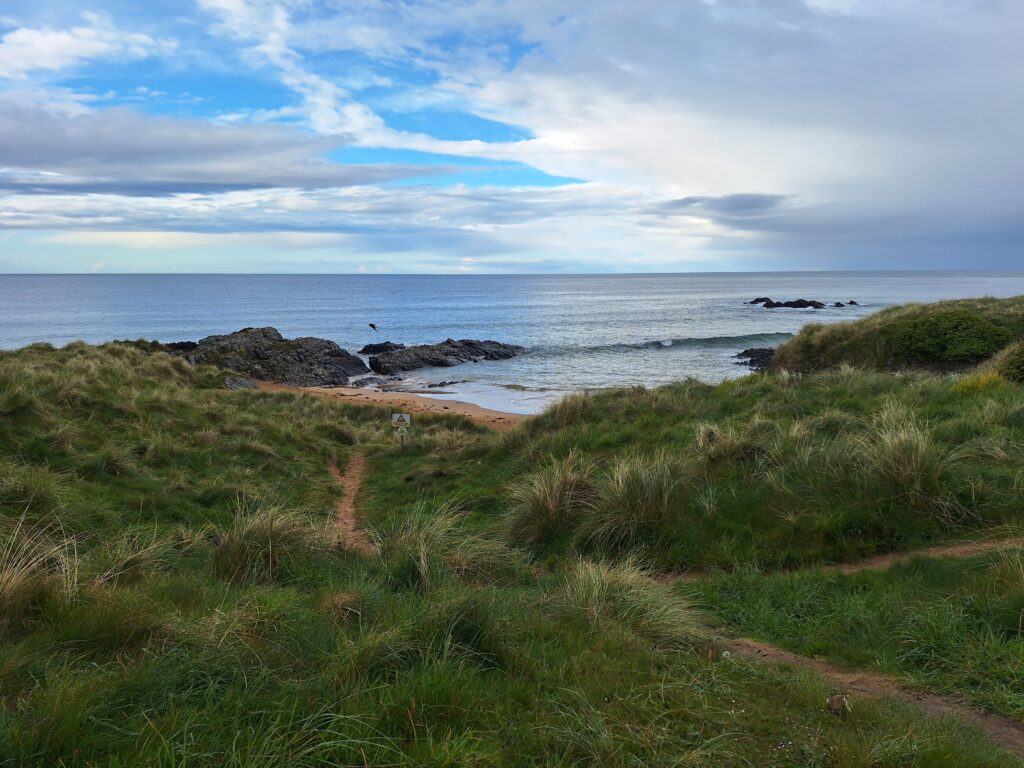
Despite the warning signs, we chose the small beach. The swells hit well between the rocks, and there is probably a bit of current there too. But since the warning was ‘Be careful – there is no lifeguard here!’ (and not a prohibition sign), we took the chance of a wee swim within the islets. A great bath from an absolutely wonderful beach!