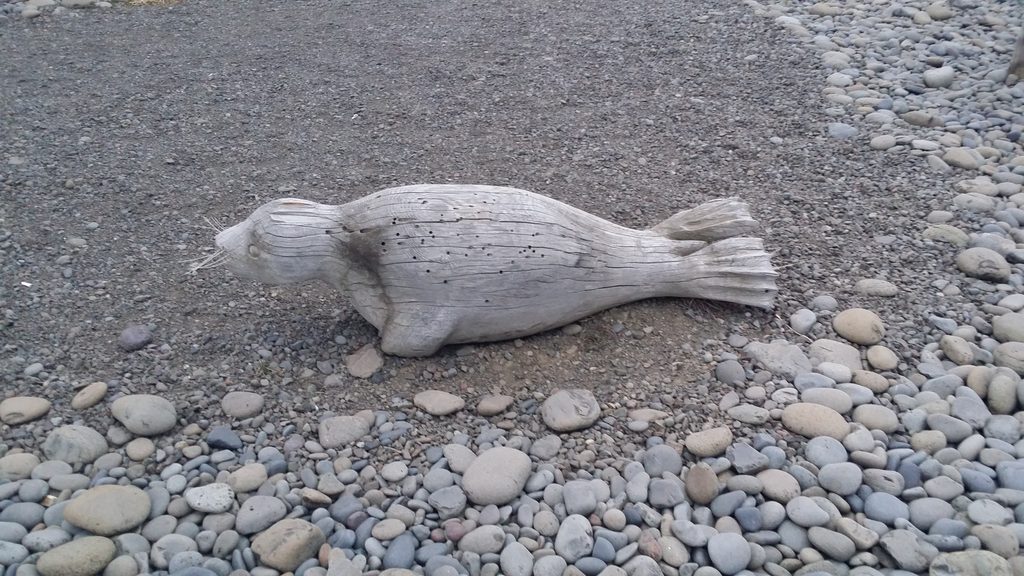
Seals were an important resource in Icelandic society back in the old days. Both meat, skin and fat were valuable, and a seal head dinner was a completely normal diet on the coast (might be about the same as eating sheep head or ‘smalahove’ in Norway?). Salted and cooked seal meat was the common method of preparation, which Idun’s brother Frode has distributed via a Norwegian recipe for seal flippers from Northern Norway (Troms). For a population that was occasionally starving, it was important to utilize the entire animal. Although seal hunting has declined significantly, pickled seal flippers are still prepared in many Icelandic homes. The sour taste comes from the technique of boiling them first, and then put them in whey. (ref Karitas, by Kristínu Marju Baldursdóttur, or the books of Halldór Laxness, or Bergsveinn Birgisson).
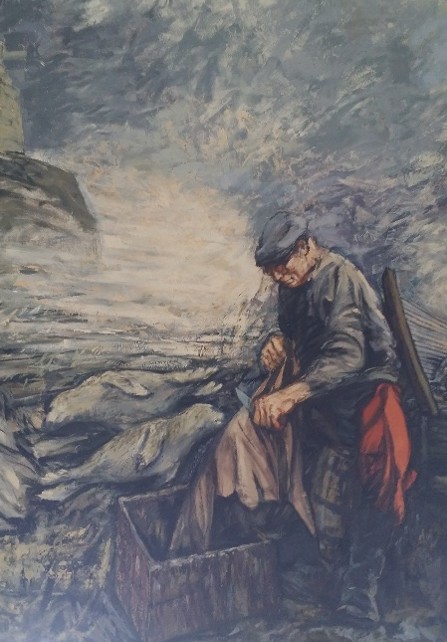
Today, the hunting of these animals is limited, due to some concern about declining populations. Seal skins from Iceland are no longer processed. All Icelandic tanneries have closed down after Chinese tanneries secured a monopoly by buying up all the skins for several years.
We have been to ‘County Seal’ twice.
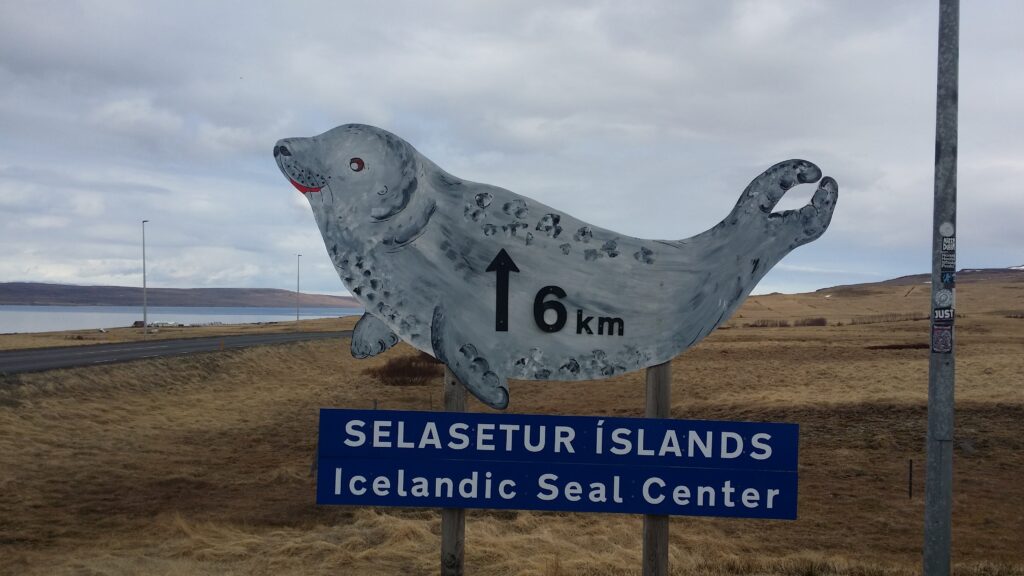
At Illugastaðir, paths have been created by the sea so that visitors can observe seals.
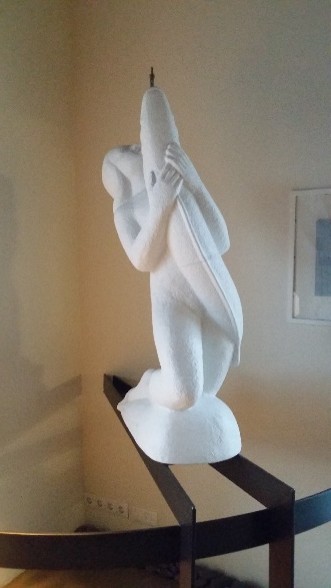
On the floor above the seal museum you will find Sjávarborg, a really good restaurant with a very acceptable view.
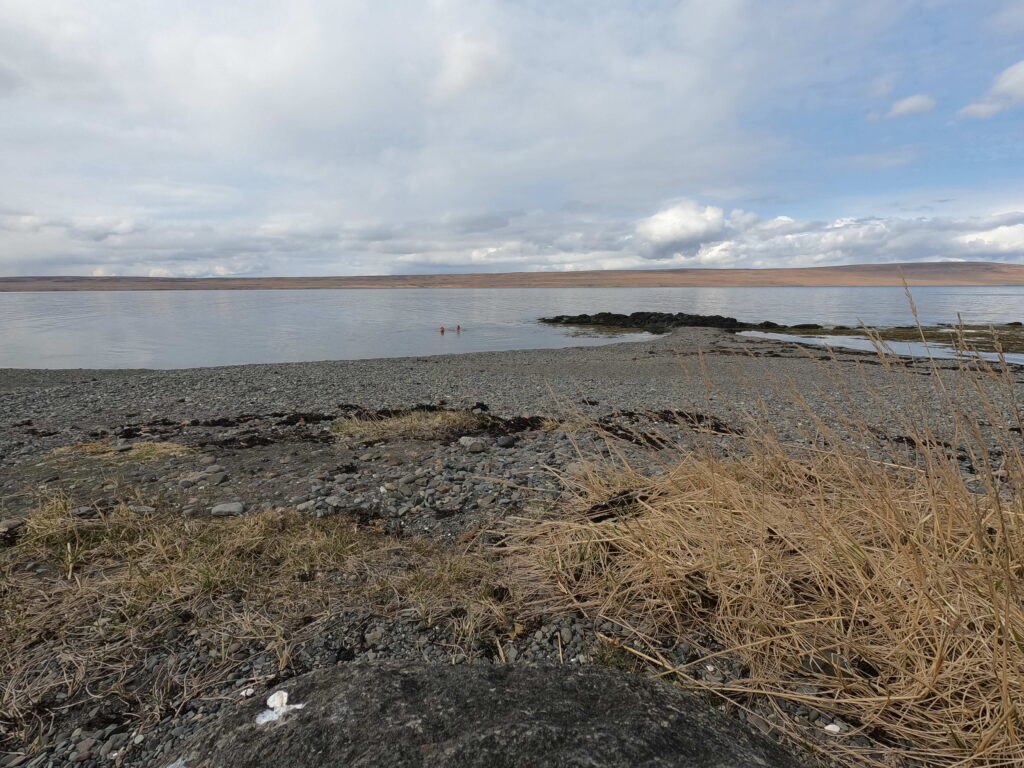
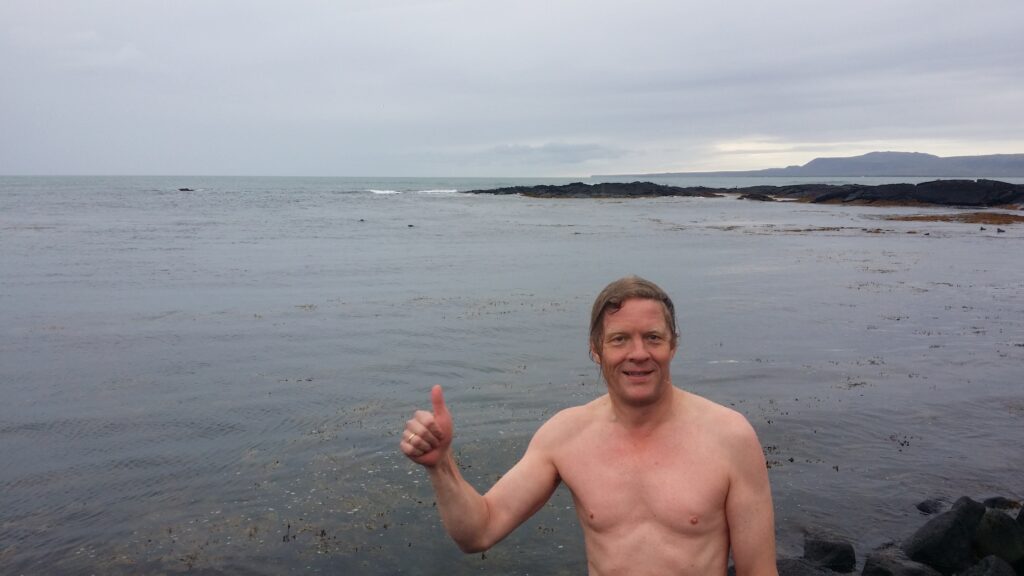
We swam on the innermost beach in crystal clear water, with a flock of slightly disgruntled eiders swimming outside. Fresh and beautiful sea with a pink sunrise over the white mountains to the north.